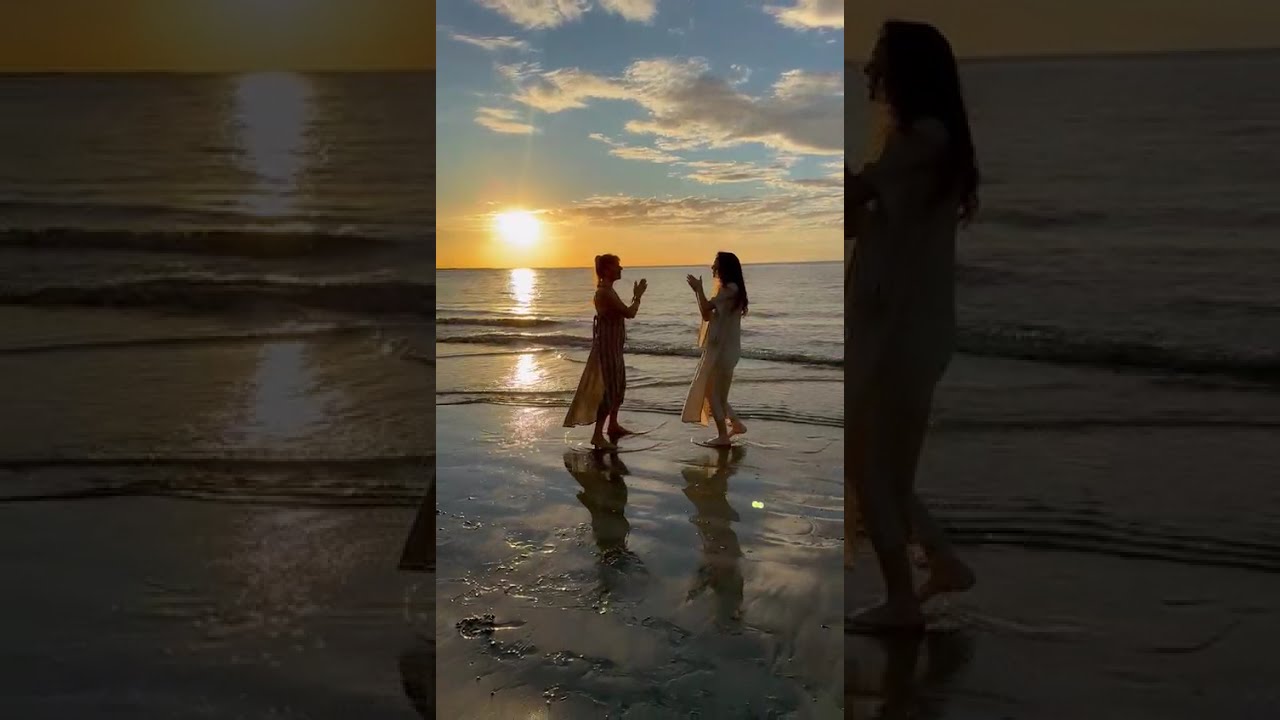
"The Keeper" is a live kirtan performance by Simrit Kaur, a sacred music artist known for weaving together devotional singing with world instruments. The piece features an ensemble including kora (West African stringed instrument), cello, bass, and percussion, recorded live during spring 2017. The performance represents a contemporary approach to kirtan—the yogic call-and-response chanting tradition—where electronic and acoustic instrumentation create an immersive soundscape supporting spiritual practice and meditation.
What Is Kirtan and Its Role in Spiritual Practice?
Kirtan is a call-and-response chanting practice rooted in Indian spiritual traditions, particularly within Sikhism and Hindu devotional paths. The practice involves one person—typically a musician or spiritual teacher—singing a mantra or sacred verse, while participants echo or respond. This collective participation creates a container for meditation, emotional release, and communal spiritual connection. Unlike some forms of chanting that rely solely on the human voice, contemporary kirtan artists like Simrit have expanded the tradition by incorporating instruments from various musical traditions, making the practice accessible and meaningful to global audiences.
How Do World Instruments Enhance Kirtan?
The ensemble supporting "The Keeper" demonstrates a thoughtful integration of diverse instruments. The kora, a traditional West African stringed instrument, brings a bright, harp-like quality that contrasts with the resonant depth of the cello. The inclusion of bass and percussion creates a rhythmic foundation and harmonic grounding. This instrumentation approach—blending instruments from African, European classical, and perhaps Indian traditions—reflects how modern kirtan artists honor the universal nature of devotional music while maintaining the integrity of the practice. Each instrument contributes texture and emotional resonance, allowing listeners to connect with the sacred music regardless of their background or familiarity with traditional mantra.
The Live Recording Context and Artistic Intention
The performance was captured during Simrit's spring 2017 live sessions and professionally recorded by engineer Oz Fritz. This live context matters: unlike studio recordings, live kirtan performances capture the spontaneous energy and collective presence of an ensemble in real time. Listeners can sense the musicians responding to one another, the breath and intention embedded in each note. The production credits—including video direction by Akhi Lavoie and music production by Mahan Kalpa Singh—indicate a serious artistic investment in presenting this sacred music with visual and sonic integrity.
What Makes Simrit's Approach to Kirtan Distinct?
Simrit Kaur has built a career on making kirtan and devotional music relevant to contemporary audiences while honoring its spiritual roots. Rather than treating kirtan as a historical artifact, she integrates it into current musical conversations by collaborating with musicians trained in classical, electronic, and world music traditions. The title "The Keeper" itself suggests themes of guardianship, preservation, and perhaps the eternal nature of spiritual practice—common concerns in kirtan, where the goal is to awaken awareness of something unchanging within the flux of daily life. This approach makes the music neither "ancient and remote" nor "trendy and shallow," but rather a living practice that bridges tradition and present moment.
The Instrumentation and Sound Design
Each musician in the ensemble brings specific technical and spiritual qualities to the piece:
- Salif Bamakora on kora: The kora is a 21-string instrument from West Africa with a warm, plucked tone that can convey both delicacy and momentum. Its presence in a kirtan context adds a cross-cultural dimension, suggesting that devotion and sacred practice transcend geographical and cultural boundaries.
- Shannon Lee Hayden on cello and electronics: The cello provides a human, voice-like quality that complements Simrit's vocals. The addition of electronics—processing or ambient textures—creates spaciousness and contemporary production values without overwhelming the acoustic core.
- Jared May on bass: The bass anchors the harmonic and rhythmic foundation, creating a steady container within which the other instruments and vocals can unfold.
- Tripp Dudley on percussion: Percussion provides cyclical rhythm and can emphasize the meditative, trance-inducing aspects of kirtan, helping listeners settle into a contemplative state.
Why Record Kirtan for Listening and Download?
Traditionally, kirtan is a participatory, communal practice meant to be experienced live. Yet Simrit's decision to record and release "The Keeper" for digital listening reflects a democratization of spiritual music. Not everyone has access to live kirtan circles; not everyone lives near experienced kirtan musicians. By offering the album (available on iTunes and other platforms), Simrit creates an invitation for solitary practitioners, meditation enthusiasts, yoga students, and spiritual seekers to access this music in their own time and space. The recording becomes a teaching tool, a meditation aid, and a way for artists to sustain their work financially.
The Role of Video in Sacred Music
The official music video—produced and directed with professional care—adds another dimension. Video allows viewers to witness the musicians' embodied practice: their posture, focus, and presence. In spiritual traditions, seeing a teacher or musician in their practice is considered valuable—it transmits something beyond the sound itself. The visual record preserves not just the audio experience but the lived, embodied quality of the performance.
Where to Go From Here
If "The Keeper" resonates with you, consider exploring Simrit's broader catalog and the wider kirtan landscape. Listen actively to how the different instruments support your own meditation or movement practice. If you're drawn to kirtan, seek out live experiences in your community—kirtan circles meet regularly in many yoga studios, spiritual centers, and music venues. You might also investigate the individual traditions that inform contemporary kirtan: Sikh gurbani (hymns of the Sikh Gurus), Hindu bhajans, and the broader yogic philosophy that underpins these practices. Finally, reflect on how the integration of world instruments in this piece might expand your understanding of what "sacred music" can sound like—it need not adhere to a single cultural template to carry spiritual truth.