What is the Mul Mantra and why does it matter in Sikh practice?
The Mul Mantra is the opening invocation of the Sikh scripture, the Guru Granth Sahib, and stands as the spiritual foundation of Sikhism itself. "Ek Ong Kar" translates to "One Creator," asserting the fundamental Sikh principle that there is one Divine reality underlying all existence. This mantra is not merely poetic or devotional ornamentation; it is a compressed statement of metaphysical truth—a recognition that separateness is illusory and that unity is the deepest nature of reality.
Guru Nanak Dev Ji, the founder of Sikhism in the 15th century, designed the Mul Mantra as an anchor for spiritual practice. Unlike some traditions that approach divinity as distant or unknowable, the Mul Mantra invites practitioners into direct relationship with the One Creator through sound, breath, and conscious recitation. The mantra carries within it both philosophical precision and emotional resonance, making it accessible to practitioners across levels of understanding.
How does chanting the Mul Mantra affect the nervous system and mind?
Mantra-based practice operates through a dual mechanism: sonic vibration and intentional repetition. When the Mul Mantra is chanted or sung, specific frequencies are produced that influence the physical body, the nervous system, and the subtle energy channels in yogic physiology. The phonetic components of "Ek Ong Kar" create vibrations in the nasal cavity, palate, and throat, which in turn stimulate the vagus nerve and activate the parasympathetic nervous system—the body's natural relaxation response.
The repetition itself serves as an anchor for attention. A mind left to wander typically cycles through anxiety about the future or rumination about the past. By directing attention toward the vibration and meaning of the mantra, the practitioner naturally settles into the present moment. This sustained focus—what some contemplative traditions call "one-pointedness"—is the foundation of meditation. Over time, consistent mantra practice deepens mental clarity, reduces scattered thinking, and builds resilience against stress.
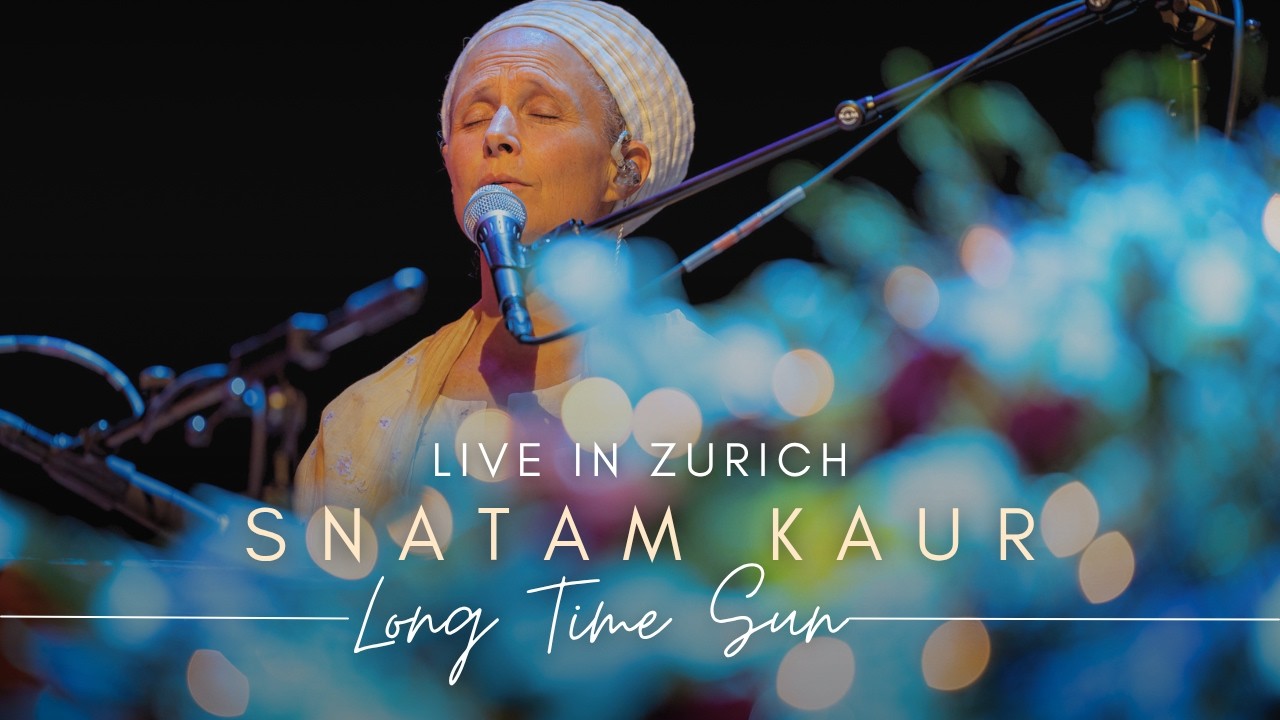
Snatam Kaur's rendering of the Mul Mantra exemplifies this principle. Her vocal performance carries the mantra not as mere sound but as sacred vibration, inviting listeners to attune their own subtle bodies to the frequency she transmits. This is why devotional singing of mantras can be more potent than intellectual study alone—the heart is engaged alongside the mind.
What is the spiritual significance of "Ek Ong Kar" specifically?
"Ek Ong Kar" translates as "One Creator" or "One Divine Consciousness." The word "Ek" means one or unity; "Ong" is a primordial sound representing the infinite; and "Kar" means creator or creative force. Together, these words form a non-dual affirmation—there is not a creator separate from creation, but rather the One consciousness manifesting as all that exists.
This statement directly counters the illusion of separation that typically governs human consciousness. We perceive ourselves as isolated individuals, fundamentally separate from others, nature, and the Divine. The Mul Mantra cuts through this delusion by reminding practitioners that unity is the ground state of existence. When recited with sincere understanding, "Ek Ong Kar" becomes more than words; it becomes a direct pointing toward truth.
In the Sikh tradition, this recognition of unity has profound ethical implications. If all beings arise from the One Creator, then all humans are equal in essence. This is why Guru Gobind Singh Ji taught, "Recognize the entire human race as one." The Mul Mantra is not escapist or purely interior; it is the seed from which compassion, justice, and recognition of shared humanity naturally grow.
How does sacred vibration support emotional and heart healing?
Grief, trauma, and emotional contraction often lodge in the chest cavity and heart center. The Mul Mantra, when chanted with awareness and breath, directly addresses this area. The nasal resonance and open vowels of "Ong" in particular activate and soothe the heart chakra in yogic anatomy. Unlike suppression or bypass, mantra practice allows emotions to move and dissolve through conscious attention and vibration.
The emotional tone in Snatam Kaur's interpretation of the mantra is significant. She does not chant it as a mechanical repetition but as a sincere invocation—a genuine call to the Divine. This tone of authenticity and devotion is transmitted to the listener. When we hear sacred sound delivered with genuine emotion, our own heart responds in kind. The mantra becomes a vehicle for opening channels of feeling that have been closed or defended.
Furthermore, the mantra's affirmation of unity and Divine presence can dissolve the isolation and fear that underlie much emotional suffering. If the One Creator is present in all beings and circumstances, then separation is impossible and abandonment is illusory. This recognition, when internalized through repeated practice, can gradually shift the baseline of emotional experience from contraction to spaciousness.
What are the practical benefits of consistent mantra practice?
Regular engagement with the Mul Mantra produces measurable and experiential benefits:
- Deepened spiritual connection: Over time, the distinction between self and Divine blurs. What begins as "I am reciting the mantra" gradually shifts to "the mantra is reciting through me," indicating an opening to grace and surrender.
- Enhanced focus and mental clarity: The nervous system becomes more regulated. Rumination decreases, decision-making improves, and the mind becomes a cleaner instrument for perception and action.
- Emotional resilience: Practitioners report greater capacity to witness difficult emotions without being overwhelmed by them. The mantra becomes an internal refuge.
- Inspiration of unity and compassion: As the truth of "Ek Ong Kar" settles into lived experience, compassion and service naturally arise. The recognition of shared humanity becomes embodied, not merely intellectual.
- Somatic regulation: The body's inflammatory response decreases, sleep improves, and the overall sense of safety in the nervous system increases.
How do Sikh teachings on truth integrate with mantra practice?
Guru Nanak Dev Ji taught, "Truth is high, but higher still is truthful living." This principle points to a crucial aspect of Sikh spirituality often overlooked: mantra is not an escape from the world but a preparation for ethical engagement with it. The mantra calms and clarifies the mind so that one can act with integrity, compassion, and truthfulness in daily life.
Similarly, Guru Arjan Dev Ji observed, "Where there is forgiveness, there is God Himself." This teaching indicates that the spiritual path is not measured by hours spent in meditation but by the capacity to forgive, to see the Divine in apparent enemies, and to recognize the shared humanity of all beings. The Mul Mantra supports this capacity by repeatedly affirming the truth of unity.
Sikhism, unlike some traditions that emphasize renunciation and world-negation, is a householder's path. Practitioners are called to live fully in the world—to earn an honest living, to serve others, to raise families—while maintaining inner connection to the Divine. The Mul Mantra supports this integration by anchoring consciousness in truth while freeing the practitioner to act with clarity and compassion in the world.
Where to go from here
If you are drawn to the Mul Mantra, begin with consistent practice. Set aside 5-15 minutes daily to chant or listen to the mantra with full attention. Let your breath align naturally with the rhythm. Notice what arises—sensations in the body, emotions, thoughts—without judgment. Over weeks and months, you may notice shifts in your baseline state of mind and heart.
Explore the Sikh teachings cited here: the texts of Guru Nanak Dev Ji, Guru Arjan Dev Ji, and Guru Gobind Singh Ji contain profound guidance on truth, unity, and compassionate living. The mantra is not separate from these teachings; it is their distilled essence, meant to be lived.
Consider learning more about Sikh philosophy and practice through resources like Spirit Voyage and SikhNet. If you are called to deepen your practice, explore kirtan—the call-and-response singing of mantras in community. There is particular power in chanting with others, as individual vibrational fields strengthen and amplify one another.
Most importantly, allow the Mul Mantra to work on you over time. Trust the tradition that has sustained millions of practitioners for over 500 years. The truth "Ek Ong Kar" points to—that all is One—is not merely a belief but a direct experiential knowing available to any sincere seeker.
]]>