EveryEvent Madrid

すべてのEventsを見る

Find every event in Madrid

events

Concerts & Live Music
Festivals
Sports & Recreation
Food & Drink
Arts & Culture
Community
Family & Kids
Nightlife
Comedy
Theater
人気の目的地
BaliSedonaLos AngelesCosta RicaNew YorkSan FranciscoAustinMiamiJoshua TreeTulum
すべてのカテゴリを見るすべての目的地を見る

すべての機能を探索

イベントを成長させる強力なツール

プラットフォーム機能

スマートダイナミックプライシング
チケットカテゴリ
座席指定
カート放棄リカバリー
訪問者リカバリー
寄付とスライディングスケール
アフィリエイトシステム
チケットスキャナー
クーポンコード
カスタム質問
チケット共有
アップセルとアドオン
分析とレポート
メールシーケンス
ウェイトリスト / 通知 / リマインダー
探索
Discovery HubArtists & PerformersVenuesKnowledge Base
すべての機能を見る私たちについて
料金ブログ
Language
Saved events
すべてのイベントを見る

events

Concerts & Live MusicFestivalsSports & RecreationFood & DrinkArts & CultureCommunityFamily & KidsNightlife

人気の目的地

BaliSedonaLos AngelesCosta RicaNew YorkSan Francisco

探索

Discovery HubArtists & PerformersVenuesKnowledge Base

プラットフォーム機能

スマートダイナミックプライシングチケットカテゴリ座席指定カート放棄リカバリー訪問者リカバリー寄付とスライディングスケールアフィリエイトシステムチケットスキャナークーポンコードカスタム質問チケット共有アップセルとアドオン分析とレポートメールシーケンスウェイトリスト / 通知 / リマインダー
すべての機能を見る私たちについて
料金ブログ
ログイン新規登録イベント主催者
  • Browse All Events
  • Concerts & Live Music
  • Festivals
  • Sports & Recreation
  • Food & Drink
  • Arts & Culture
  • Community
  • Family & Kids
  • Nightlife
  • すべてのカテゴリ →
  • All Destinations →
  • For Promoters
  • For Artists
  • For Venues
  • For Festivals
  • For Event Spaces
  • For Nonprofits
  • For Bloggers
  • For Speakers
  • Brand Ambassador
  • Case Studies
  • 35万人以上のバイヤーネットワーク
  • カート放棄リカバリー
  • スマートダイナミックプライシング
  • チケットカテゴリ
  • 定期イベント
  • 座席指定
  • アフィリエイトシステム
  • ウェイトリスト / 通知
  • チケットスキャナー
  • 埋め込みウィジェット
  • イベント配信
  • メッセージセンター
  • インテグレーション
  • レポート
  • すべての機能 →
  • 概要
  • エコシステム
  • ブログ
  • 用語集
  • インスピレーション
  • ヘルプセンター
  • お問い合わせ
  • APIドキュメント
  • ブランドアセット
  • 採用
  • プレス
  • 利用規約
  • プライバシーポリシー

Events

  • Browse All Events
  • Concerts & Live Music
  • Festivals
  • Sports & Recreation
  • Food & Drink
  • Arts & Culture
  • Community
  • Family & Kids
  • Nightlife
  • すべてのカテゴリ →

Getaways

  • All Destinations →

For Organizers

  • For Promoters
  • For Artists
  • For Venues
  • For Festivals
  • For Event Spaces
  • For Nonprofits
  • For Bloggers
  • For Speakers
  • Brand Ambassador
  • Case Studies

機能

  • 35万人以上のバイヤーネットワーク
  • カート放棄リカバリー
  • スマートダイナミックプライシング
  • チケットカテゴリ
  • 定期イベント
  • 座席指定
  • アフィリエイトシステム
  • ウェイトリスト / 通知
  • チケットスキャナー
  • 埋め込みウィジェット
  • イベント配信
  • メッセージセンター
  • インテグレーション
  • レポート
  • すべての機能 →

会社

  • 概要
  • エコシステム
  • ブログ
  • 用語集
  • インスピレーション
  • ヘルプセンター
  • お問い合わせ
  • APIドキュメント
  • ブランドアセット
  • 採用
  • プレス
  • 利用規約
  • プライバシーポリシー
EveryEvent
© 2026 EveryEvent Madrid. 全著作権所有.
Inspiration

Mycelium Leather: How Mushrooms ReplaceAnimal Hides in Fashion

Paul Stamets
Paul Stamets
Oct 20, 2021
読了 約5分
視聴 · 6
Mycologist Paul Stamets publicly endorses fashion designer Stella McCartney's use of mycelium-based leather as a replacement for traditional animal hides. The primary species employed is reishi mushroom (lingchi), historically known as the "mushroom of immortality," which Stamets identifies as one of the best fungal candidates for creating sustainable, animal-free leather alternatives that benefit both human innovation and planetary ecology.

読む · 7セクション

What is mycelium leather and why does it matter?

Mycelium leather represents a frontier in sustainable materials science. Rather than harvesting and processing animal hides—a practice that requires significant resources, land, and raises ethical concerns—designers and manufacturers can now cultivate mycelium, the vegetative root network of mushrooms, into flexible, durable fabric-like sheets. The material mimics leather's texture and durability while avoiding the environmental and ethical costs of animal agriculture.

Stella McCartney, a designer known for ethical and sustainable practices, demonstrated this innovation at Paris Fashion Week by showcasing a collection featuring mycelium-inspired designs and myco-leather garments. Stamets frames this moment as pivotal: "this is a way of the future to reduce the use of animals and promote mushrooms for the benefit of people and planet" (0:29-0:36).

Why is reishi the ideal fungal candidate for leather?

Stamets identifies the reishi mushroom—called lingchi in traditional Chinese medicine—as the primary species being used in McCartney's myco-leather designs. This is not an arbitrary choice. The reishi has been valued for millennia as the "mushroom of immortality," prized in Eastern medicine for its potential health properties and resilience. Stamets notes that reishi is "one of the best species for replacing animal leather" (0:21-0:25), suggesting that its mycelial structure and growth characteristics make it uniquely suited to the cultivation and processing required for wearable material.

The species' historical reverence and biological properties converge in this application: a fungus long considered precious for human wellness becomes equally precious as a material foundation for ethical design. This alignment between ancient wisdom and contemporary sustainability reflects a broader shift toward fungal applications in fashion and textiles.

How does mycelium leather production differ from traditional leather?

Traditional leather production involves raising livestock, slaughtering animals, tanning hides with chemical processes, and managing the ecological footprint of animal agriculture. Mycelium cultivation, by contrast, begins with growing the fungal network on agricultural byproducts or substrate materials. The mycelium binds these materials into a cohesive, leather-like sheet that can be tanned, dyed, and finished similarly to animal leather but with far fewer resource inputs and no animal harm.

The process is faster, scalable, and less dependent on water and land. Companies like Bolt Threads, mentioned in the video's hashtags as a producer of notable fabrics, have pioneered these techniques in partnership with fashion houses, bringing mycelium textiles from laboratory concept to runway reality.

What role does Paul Stamets play in legitimizing this innovation?

Stamets is one of the world's most prominent mycologists, with decades of research on fungi's ecological and medicinal roles. His public endorsement of mycelium leather carries significant weight. By framing the innovation as "a way of the future," he positions it not as a niche experiment but as an emerging standard in responsible material science. His emphasis on benefiting "people and planet" situates mycelium leather within a broader conversation about ecological stewardship and the practical applications of mycology beyond medicine and food.

Stamets's personal thanks to McCartney—"especially thank you stella" (0:37-0:39)—signals that he views this partnership as exemplary: a high-visibility designer using her platform and influence to advance fungal alternatives and demonstrate that luxury and sustainability are not mutually exclusive.

What are the broader implications for fashion and sustainability?

Paris Fashion Week is one of the world's most influential fashion events. By presenting mycelium-leather collections on that stage, McCartney signals to the broader industry that animal leather is obsolete. The visibility and prestige of high fashion can accelerate adoption across the industry—from luxury goods to mass-market brands—far more quickly than scientific papers or sustainability reports alone.

For consumers, mycelium leather offers a tangible way to reduce environmental impact without sacrificing aesthetic or quality. The garments showcased at McCartney's show are described as vibrant and beautifully designed, demolishing the stereotype that sustainable alternatives are compromises on style or durability.

How does this innovation connect to broader mycological applications?

Fashion is only one frontier. Mycologists and entrepreneurs are exploring mycelium for packaging, insulation, construction materials, and more. Each application expands the cultural conversation about fungi as partners in solving human problems—food insecurity, environmental degradation, resource scarcity. Stamets has long advocated for recognizing fungi as essential to planetary health and human flourishing. Mycelium leather exemplifies this vision: an ancient organism, newly understood, applied to contemporary challenges in ways that benefit ecosystems as well as economies.

Where to go from here

If you're interested in mycelium leather and sustainable fashion, explore the collections showcased by Stella McCartney and research the work of Bolt Threads and other companies scaling fungal materials. Consider how your own purchasing decisions can support innovations that reduce animal dependence and environmental harm. For deeper understanding of mycology's potential, explore Paul Stamets's broader work on fungi's role in ecology, medicine, and human survival—his research and talks expand the context in which mycelium leather emerges as one solution among many that fungi can offer.

]]>
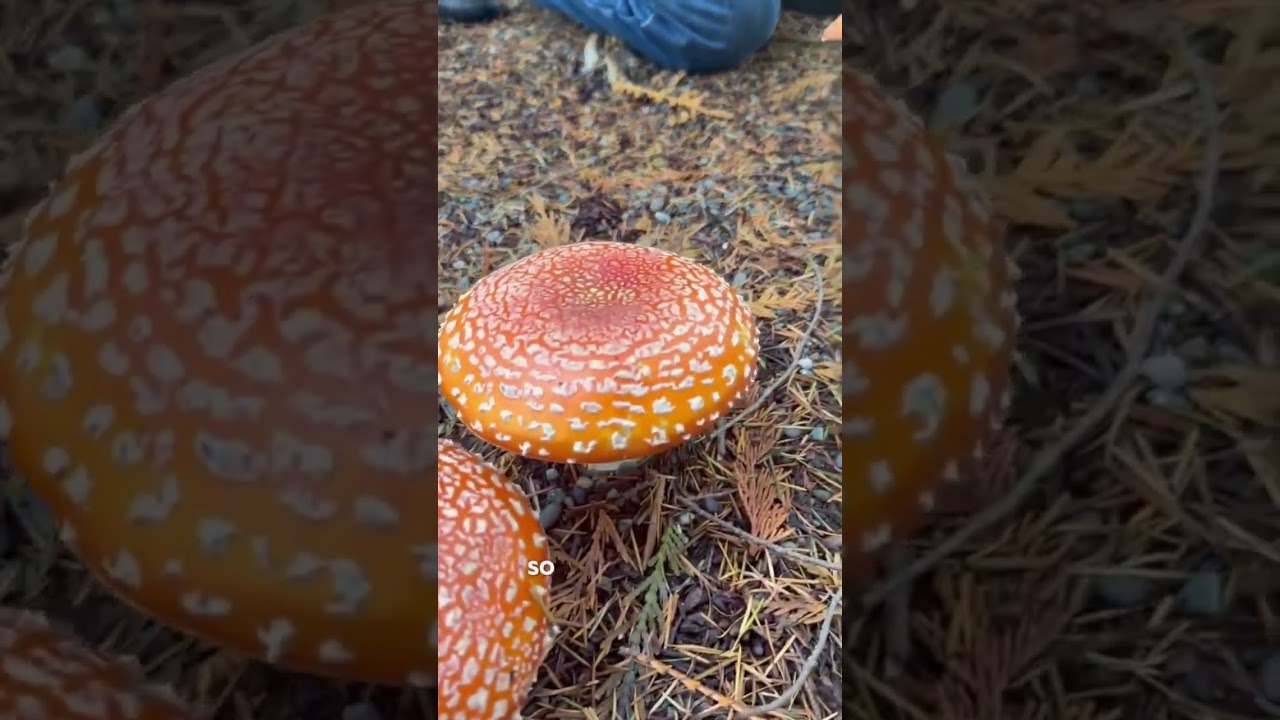
Transcript

[0:01] hi folks my name is paul stamets and i

[0:03] want to express my strong support for to

[0:05] stella mccartney and her great team

[0:08] in replacing animal leather with

[0:10] mushroom mycelium

[0:12] and this is the mushroom that is

[0:15] primarily being used it's a reishi

[0:17] mushroom

[0:18] lingchi the mushroom of immortality

[0:21] and this is one of the best species for

[0:23] replacing animal leather so give it up

[0:26] for stella

[0:28] thank you all

[0:29] this is a way of the future to reduce

[0:32] the use of animals and promote mushrooms

[0:34] for the benefit of people and planet

[0:37] thank you all and especially thank you

[0:38] stella

Paul Stamets
著者Paul Stamets

Mycologist and advocate who has dedicated his life to studying mushrooms and their transformative potential to heal people and restore the planet through medicine, agriculture, and…

プロフィールを見るウェブサイト
トピックを見る
Mycelium-leatherReishi-mushroomSustainable-fashionAnimal-alternativesMycology

ご質問はありますか?

よくある質問

Mycelium leather is a sustainable material created by cultivating the root network of mushrooms into flexible, leather-like sheets. Instead of processing animal hides, manufacturers grow mycelium on agricultural substrates, which binds together to form a cohesive material that can be tanned, dyed, and finished like traditional leather—but with far fewer resource inputs and no animal harm.
Paul Stamets identifies reishi (lingchi) as one of the best fungal species for replacing animal leather. The mushroom's mycelial structure and growth characteristics make it uniquely suited to cultivation and processing for wearable materials, and its historical value in traditional medicine reflects its resilience and beneficial properties.
Yes, mycelium leather mimics traditional leather's texture and durability while avoiding animal agriculture's environmental and ethical costs. The materials showcased at Paris Fashion Week by Stella McCartney demonstrate that mycelium leather supports vibrant, high-quality designs comparable to conventional leather goods.
Mycelium leather production is faster, more scalable, and requires far less water and land than traditional leather manufacturing. It eliminates the ecological footprint of animal agriculture while using agricultural byproducts as substrate, making it a significantly more sustainable alternative.
The visibility of mycelium leather at Paris Fashion Week through Stella McCartney's collections signals that high-end fashion is adopting this material, which can accelerate industry-wide adoption. When luxury brands showcase sustainable alternatives as stylish and desirable, mass-market adoption typically follows.
Beyond fashion, mycelium is being explored for sustainable packaging, insulation, construction materials, and more. This expansion reflects the broader potential of fungi as partners in solving resource scarcity and environmental challenges across multiple industries.

読みつづける

More from Paul

すべて表示
Amanita Muscaria: History, Identification & Safety of Fly Agaric
Featured

Amanita Muscaria: History, Identification & Safety of Fly Agaric

Amanita muscaria, the fly agaric, has ancient roots in pest control and cultural mythology. Despite its striking beauty, this mushroom poses…

1 min read
Lactarius Deliciosus: Identifying & Foraging the Saffron Cap
Featured

Lactarius Deliciosus: Identifying & Foraging the Saffron Cap

The saffron milk cap (Lactarius deliciosus) is an easy-to-identify edible mushroom with striking green staining and orange milk. Learn how t…

1 min read
How Sitting Still Proves You're Already Awakening
Featured

How Sitting Still Proves You're Already Awakening

Most people can't sit quietly without discomfort, but if you can, you're already further along spiritually than you realize. Eckhart Tolle e…

1 min read
The Missing Piece: How Real Thinking Creates Real Results
Featured

The Missing Piece: How Real Thinking Creates Real Results

Most vision boards fail because people skip the actual thinking. Eckhart Tolle reveals the rhythm that unlocks insight and the two distinct …

1 min read

探索を続ける

旅をつづける

BrightStarのディレクトリから、さらなる智慧と集いを。

もっと記事を読む

教え、インタビュー、ガイドのライブラリ全体をご覧ください。

すべての記事に戻る →

講師とアーティスト

コンシャスな世界の系譜、音楽家、導き手を探しましょう。

アーティストを探す →

イベントを見つける

キルタン、リトリート、サウンドバス、ブレスワーク、フェスティバル — まもなく開かれます。

イベントを見る →