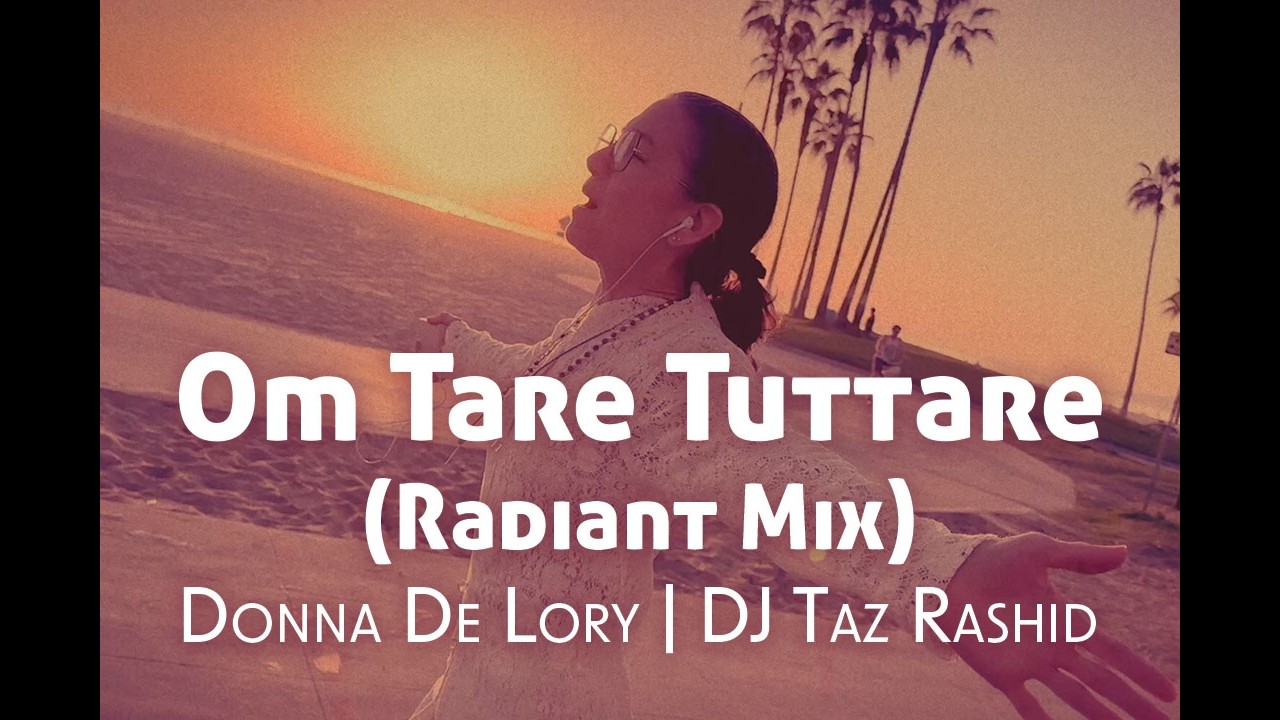
A musician recalls her early obsession with music and records, her Nashville debut as a session singer for Madonna, and a pivotal shift toward spirituality through yoga and world music study. When asked to create a record of Sanskrit mantras during yoga's rise in America, she made music that reached thousands in yoga centers. She describes the live energy of performing uplifting, grateful songs as a communal celebration where audiences actively participate in positive, soul-lifting experience.
How Early Record Listening Shaped a Musical Life
From childhood, the artist knew exactly what she wanted: music. She spent formative years in her room with a record collection, singing and dancing to every album. This wasn't casual listening—it was total immersion. That early discipline and love for sound became the foundation of everything that followed. At 16, she moved to Nashville with her father, convinced she wanted to pursue country music. She started studying guitar, writing her own songs, and auditioning relentlessly, even sleeping on studio couches while trying to break through. The hunger was real, and it paid off: she eventually got an audition for Madonna, which became her "big debut as a performer" and opened doors to a record deal and writing opportunities.
Where Spiritual Doubt Led to Deeper Searching
Despite external success in the music industry, something essential was missing. As she recalls, "I was really not confident about what my own story and my own feelings about life and relationships and my own feelings about spirituality." The professional achievements—the record deal, the writing credits—didn't address the deeper questions of meaning and inner truth. Instead of pushing harder in the mainstream music world, she pivoted. She got really into world music and began studying yoga. This wasn't just a hobby or trend-chasing; it was a genuine search for something that resonated with her soul rather than her résumé.
Why Mantra Records Became a Gateway to Thousands
The turning point came when someone approached her with a simple observation: "Yoga is really taken off in this country and we want you to do a record of just the mantras." It was a clear invitation to merge her musical gifts with her spiritual practice. The result exceeded all expectations. The mantra record ended up "in every Yoga Center," reaching thousands of practitioners who might never have encountered her mainstream work. People got to know her music through these Sanskrit chants and devotional songs. This wasn't incidental—it was the vehicle through which her artistry finally found its true audience: people seeking spiritual uplift, not chart success.
What Makes Mantra Music Different in Live Settings?
The live experience of performing this music has its own energy signature. She notes a key observation about festival performances specifically: "You hear differently outside cuz you're in nature pure and holy." When people gather outdoors for music, something shifts. There's no barrier between the sound, the earth, and the audience. The energy is different. In concert settings, she describes a tangible transformation: "The energy just went through the roof everyone is hands in the air going going nuts." Audiences don't sit passively. They dance with her, participate, and become co-creators of the experience.
How Positive Lyrics Lift People's Souls
A collaborator commenting on the work notes: "It's a good message you know Donna writes great lyrics and so it just lifts people's Souls." This is the key distinction—these aren't generic spiritual songs. They're specifically crafted lyrics with intention and meaning. The uplift isn't mysterious or vague; it comes from well-written words that resonate with something true in listeners. The music celebrates gratitude and life itself. She emphasizes the communal aspect: "Dancing with the audience and getting into songs that are just really positive and uplifting and you know we're just all being grateful and and just celebrating life together." It's not about the performer on stage; it's about the collective energy of people acknowledging beauty, gratitude, and joy.
Why Repeat Audiences Show the Enduring Effect
Perhaps the truest measure of impact is return attendance. She observes: "I constantly see a lot of the same people coming to the shows." People come back. They don't attend once and move on. The repetition suggests these performances meet a genuine need—not escapism, but genuine nourishment. The mantra practice, the uplifting lyrics, the communal dancing, and the gratitude create something worth returning to. In a spiritual or musical sense, this loyalty indicates the work is touching something real.
Where to Go From Here
For listeners new to mantra music or kirtan, the entry point is simple: attend a live performance, especially outdoors if possible, and allow yourself to dance and participate rather than observe. If you're exploring the connection between music and spirituality, consider the role of your own listening habits. What records shaped you as a child? Are you listening passively or with full presence? For those in yoga practice, mantra records offer another dimension beyond asana and breathing—they're a direct pathway to the devotional and grateful mindset that yoga cultivates. The story here is also about permission: permission to shift from what you thought you should be doing (mainstream success) to what actually feeds your soul (spiritual service through art). That permission often comes not from a thunderbolt moment, but from someone recognizing your gifts and inviting you to use them differently.