EveryEvent Madrid

Parcourir tous les Events

Find every event in Madrid

events

Concerts & Live Music
Festivals
Sports & Recreation
Food & Drink
Arts & Culture
Community
Family & Kids
Nightlife
Comedy
Theater
Destinations populaires
BaliSedonaLos AngelesCosta RicaNew YorkSan FranciscoAustinMiamiJoshua TreeTulum
Voir toutes les catégoriesVoir toutes les destinations

Explorer toutes les fonctionnalités

Des outils puissants pour développer tes événements

Fonctionnalités de la plateforme

Tarification dynamique intelligente
Catégories de billets
Places assignées
Récupération des paniers abandonnés
Récupération des visiteurs
Dons & Prix variables
Système d'affiliation
Scanner de billets
Codes promo
Questions personnalisées
Partage de billets
Ventes additionnelles & Options
Analyses & Rapports
Séquences d'emails
Liste d'attente / Notifier / Rappeler
Explorer
Discovery HubArtists & PerformersVenuesKnowledge Base
Voir toutes les fonctionnalitésÀ propos
TarifsBlog
Language
Saved events
Parcourir tous les événements

events

Concerts & Live MusicFestivalsSports & RecreationFood & DrinkArts & CultureCommunityFamily & KidsNightlife

Destinations populaires

BaliSedonaLos AngelesCosta RicaNew YorkSan Francisco

Explorer

Discovery HubArtists & PerformersVenuesKnowledge Base

Fonctionnalités de la plateforme

Tarification dynamique intelligenteCatégories de billetsPlaces assignéesRécupération des paniers abandonnésRécupération des visiteursDons & Prix variablesSystème d'affiliationScanner de billetsCodes promoQuestions personnaliséesPartage de billetsVentes additionnelles & OptionsAnalyses & RapportsSéquences d'emailsListe d'attente / Notifier / Rappeler
Voir toutes les fonctionnalitésÀ propos
TarifsBlog
ConnexionS'inscrireOrganisateurs d'événements
  • Browse All Events
  • Concerts & Live Music
  • Festivals
  • Sports & Recreation
  • Food & Drink
  • Arts & Culture
  • Community
  • Family & Kids
  • Nightlife
  • Toutes les catégories →
  • All Destinations →
  • For Promoters
  • For Artists
  • For Venues
  • For Festivals
  • For Event Spaces
  • For Nonprofits
  • For Bloggers
  • For Speakers
  • Brand Ambassador
  • Case Studies
  • Réseau de 350K+ acheteurs
  • Récupération des paniers abandonnés
  • Tarification dynamique intelligente
  • Catégories de billets
  • Événements récurrents
  • Places assignées
  • Système d'affiliation
  • Liste d'attente / Notifier
  • Scanner de billets
  • Widget intégrable
  • Diffusion d'événements
  • Messagerie
  • Intégrations
  • Rapports
  • Toutes les fonctionnalités →
  • À propos
  • L'écosystème
  • Blog
  • Glossaire
  • Inspiration
  • Centre d'aide
  • Contact
  • Documentation API
  • Ressources de marque
  • Carrières
  • Presse
  • Conditions d'utilisation
  • Politique de confidentialité

Events

  • Browse All Events
  • Concerts & Live Music
  • Festivals
  • Sports & Recreation
  • Food & Drink
  • Arts & Culture
  • Community
  • Family & Kids
  • Nightlife
  • Toutes les catégories →

Getaways

  • All Destinations →

For Organizers

  • For Promoters
  • For Artists
  • For Venues
  • For Festivals
  • For Event Spaces
  • For Nonprofits
  • For Bloggers
  • For Speakers
  • Brand Ambassador
  • Case Studies

Fonctionnalités

  • Réseau de 350K+ acheteurs
  • Récupération des paniers abandonnés
  • Tarification dynamique intelligente
  • Catégories de billets
  • Événements récurrents
  • Places assignées
  • Système d'affiliation
  • Liste d'attente / Notifier
  • Scanner de billets
  • Widget intégrable
  • Diffusion d'événements
  • Messagerie
  • Intégrations
  • Rapports
  • Toutes les fonctionnalités →

Entreprise

  • À propos
  • L'écosystème
  • Blog
  • Glossaire
  • Inspiration
  • Centre d'aide
  • Contact
  • Documentation API
  • Ressources de marque
  • Carrières
  • Presse
  • Conditions d'utilisation
  • Politique de confidentialité
EveryEvent
© 2026 EveryEvent Madrid. Tous droits réservés.
Inspiration

Gayatri Mantra: Ancient VedicChant for Inner Light

Donna De Lory
Donna De Lory
Sep 2, 2015
7 min de lecture

The Gayatri Mantra is a 1,500-year-old Sanskrit chant from the Rigveda, one of Hinduism's foundational texts, which invokes the divine light of the sun and the illumination of consciousness. Traditionally chanted at sunrise, it calls upon the universal creative force (Savitr) to awaken wisdom and clarity within the practitioner. The mantra operates through sound vibration and repetition, making it a central practice in Vedic meditation and a bridge between ancient Hindu wisdom and contemporary spiritual practice.

Lecture · 8 sections

What Is the Gayatri Mantra and Where Does It Come From?

The Gayatri Mantra is among the most sacred utterances in Hinduism, appearing in the Rigveda (Book 3, Hymn 62), one of the oldest religious texts in existence. Its antiquity and widespread adoption across Hindu traditions—from Vedic priests to modern yoga practitioners—underscore its enduring spiritual power. The mantra has been chanted for thousands of years as a cornerstone of Vedic ritual and personal meditation practice.

The original Sanskrit verse is:

Om Bhur Bhuvah Svah
Tat Savitur Varenyam
Bhargo Devasya Dhimahi
Dhiyo Yo Nah Pracodayat

This concise formula encodes cosmological knowledge and spiritual intention, addressing Savitr, the Vedic deity of solar energy and creative illumination. Unlike a petition to an external god, the Gayatri functions as an invocation of universal light principles—a calling forth of the illuminative power already present within consciousness.

How Do Different Traditions Translate and Interpret the Mantra?

The Gayatri Mantra resists a single definitive English translation, in part because Sanskrit operates through layered semantic and vibrational meaning. However, common renderings include:

  • Literal translation: "We meditate upon the divine light of Savitr, the brilliant solar deity. May this light illumine our intellect and awaken wisdom within us."
  • Cosmological reading: The opening "Om Bhur Bhuvah Svah" invokes three realms of existence—physical, subtle, and transcendent—establishing a bridge between the material and infinite.
  • Consciousness-centered interpretation: Rather than worshipping an external solar god, practitioners understand the mantra as invoking the light of consciousness itself—the illuminating intelligence that perceives all experience.

Vedic scholars emphasize that the mantra's power lies not in literal belief but in the precision of its phonetic construction and the mental focus it generates. Each syllable carries vibrational frequency designed to resonate with specific energy centers in the body and corresponding states of consciousness.

Why Is Sunrise the Traditional Time for Chanting?

The Gayatri Mantra is conventionally chanted at sunrise (Brahmamuhurta, approximately one hour before dawn), a practice rooted in both symbolic and physiological understanding. At dawn, the mind is naturally quieter, less burdened by the day's activity and distraction. The body's circadian rhythms support deeper inward focus, making meditation more stable and receptive.

Symbolically, sunrise mirrors the mantra's central invocation: the sun's rising represents the awakening of consciousness within the individual practitioner. Chanting at dawn aligns personal spiritual practice with the cosmic rhythm, creating sympathetic resonance between microcosm (the individual) and macrocosm (the universe).

Practitioners who maintain sunrise practice report heightened clarity, increased mental stability throughout the day, and a sense of connection to natural cycles. While chanting at other times remains valid—the mantra's power is not time-bound—the dawn practice amplifies its effects through alignment with natural rhythms.

What Are the Spiritual Benefits of Regular Gayatri Practice?

Consistent chanting of the Gayatri Mantra is said to cultivate several overlapping benefits:

  • Mental clarity and focus: The mantra's rhythmic structure trains attention, quieting mental chatter and anchoring awareness in the present moment.
  • Activation of the intellect (buddhi): The final line, "Dhiyo Yo Nah Pracodayat" ("awaken our intellect"), directly invokes the faculty of discrimination and wisdom, supporting better decision-making and insight.
  • Energy alignment: Sound vibration is believed to activate subtle energy channels (nadis) and energy centers (chakras), particularly the third eye center associated with intuition and inner vision.
  • Stress reduction and nervous system regulation: The meditative quality of chanting activates the parasympathetic nervous system, reducing cortisol and promoting a sense of inner calm.
  • Spiritual protection and purification: In traditional Hindu understanding, the mantra's high vibrational frequency purifies mental and energetic patterns, creating a protective field around the practitioner.

These benefits accumulate through repetition. A common practice is to chant the mantra 108 times (a sacred number in Hindu tradition), or simply to integrate it into daily meditation as an anchor for awareness.

How Does Sound Vibration Work in Mantra Practice?

The efficacy of mantra rests on the principle that sound is vibrational energy with measurable physical and psychological effects. When chanted aloud or internally, the Gayatri Mantra creates vibrations that resonate through the body's subtle anatomy—the network of energy channels and chakras recognized in tantric and yogic philosophy.

Modern neuroscience corroborates some of these claims: chanting activates specific brain regions associated with attention, emotion regulation, and interoception (awareness of internal bodily states). The repetitive rhythm of mantra naturally induces a meditative state, slowing brainwave frequency toward alpha and theta ranges conducive to relaxation and insight.

The Sanskrit language itself is understood in Vedic tradition as specially constructed for spiritual transmission—each phoneme (sound unit) carries semantic and energetic meaning. The Gayatri's syllables are believed to encode not just intellectual content but vibrational templates that align consciousness with universal harmony.

What Are Common Misconceptions About the Gayatri Mantra?

A frequent misunderstanding is that the Gayatri Mantra requires specific religious faith or belief in Hindu gods to be effective. In reality, the mantra functions as a psychological and acoustic technology available to practitioners of any faith or none. The "deity" invoked (Savitr) can be understood as a personification of universal illuminative principle—consciousness, wisdom, creative energy—rather than a literal external god.

Another misconception is that results are instantaneous or depend on perfect pronunciation. While precision matters (Sanskrit phonetics are specific), the mantra's power accumulates through consistent practice over weeks and months. A sincere beginner's imperfect chanting will show benefits; perfection is not a prerequisite.

Some assume the mantra must be chanted only in Sanskrit or at prescribed times. While traditional practice emphasizes these elements, the underlying principle—invoking mental clarity and alignment with universal intelligence—can be accessed through humble, regular engagement regardless of one's linguistic precision or schedule constraints.

How Can Beginners Start a Gayatri Mantra Practice?

A simple entry point requires no special knowledge or resources:

  • Learn the chant: Listen to established recordings (such as those by Donna De Lory or other respected teachers) to absorb the correct Sanskrit pronunciation and melodic form.
  • Choose a time: Begin with early morning practice if possible, even 5-10 minutes before sunrise. If morning is impossible, any consistent time—midday, evening—works; consistency matters more than timing.
  • Set an intention: Before chanting, briefly clarify your aim: spiritual growth, mental clarity, healing, or simple alignment with universal intelligence.
  • Start small: Chant the mantra 3, 9, or 27 times daily (multiples of 3 are traditional). Use a mala bead necklace (108 beads) to track repetitions if chanting 108 times.
  • Sit quietly afterward: Allow 5-10 minutes of silent meditation after chanting to integrate the practice and notice inner shifts.
  • Be patient: Sustained benefits emerge over weeks and months. Trust the process without obsessing over whether it's "working."

Some practitioners integrate the Gayatri into existing yoga or meditation routines; others chant it standalone. Both approaches are valid. The mantra's accessibility—requiring no equipment, no fee, no membership—makes it one of the most democratic spiritual technologies available.

Where to Go from Here

If the Gayatri Mantra resonates with you, deepen your exploration by listening to recordings from established teachers like Donna De Lory, whose version from the album "The Unchanging" brings devotional musicality to the practice. Study the mantra's Sanskrit roots through Vedic commentaries or contemporary books on mantra philosophy. Most importantly, begin chanting—even imperfectly—and allow your own direct experience to reveal the practice's power. The Gayatri Mantra has sustained seekers for millennia; your own sincere engagement continues that lineage.
Donna De Lory
AuteurDonna De Lory

A multi-talented vocalist and producer who rose to prominence as Madonna's longtime backup singer, now creating spiritually-infused world music that blends pop sensibility with dev…

Voir le profilSite web
Explorer les thèmes
Gayatri-mantraVedic-chantingSanskrit-mantraMeditation-practiceSpiritual-sound

Des questions ?

Questions fréquemment posées

The Gayatri Mantra invokes the divine light of Savitr (a Vedic solar deity representing creative illumination) and asks that this light awaken wisdom and clarity within the practitioner. The opening verses establish a bridge between physical, subtle, and transcendent realms, while the closing line directly appeals for illumination of the intellect. Sanskrit layers multiple meanings into each phrase, so the mantra works on cosmological, psychological, and vibrational levels simultaneously.
Yes. The Gayatri Mantra functions as a universal acoustic and psychological technology, not a requirement of Hindu faith. The principle it invokes—the awakening of inner wisdom and illumination—transcends religious boundaries. Many contemporary practitioners from secular or non-Hindu backgrounds use the mantra successfully as a meditation and clarity tool, understanding the solar deity as a metaphor for consciousness itself rather than requiring literal theistic belief.
Daily practice is most effective, even if just for 5-10 minutes. Many traditions recommend chanting 108 times (a sacred number), though beginning with 27 or 54 repetitions works well for newcomers. Benefits accumulate over weeks and months of consistent practice; this is not a quick-fix technique but rather a gradual training of attention and consciousness. The key is steady engagement rather than intensity.
For maximum effect, Sanskrit pronunciation matters because the practice relies on specific phonetic vibrations. However, the underlying principle—invoking clarity and inner illumination—is not locked into Sanskrit. If Sanskrit is inaccessible, chanting with sincere intention and as close to correct pronunciation as you can manage still yields benefits. Many teachers encourage beginners to learn from recordings to absorb the authentic sound.
Both are valid. Chanting aloud produces audible vibration and can feel more grounding and energizing; it also settles the mind through the sensory feedback of vocalization. Silent chanting (japa) is more subtle, easier in shared spaces, and may deepen focus by internalize the practice. Begin with whichever feels comfortable; many practitioners alternate between the two depending on circumstance and energy level.
Absolutely. The Gayatri integrates well with yoga, other meditation practices, prayer in any tradition, and secular mindfulness routines. It does not contradict other spiritual paths; rather, it complements them by training attention and invoking clarity. Many contemporary practitioners weave it into eclectic spiritual lives without conflict.
Sunrise (traditionally one hour before dawn) aligns the practice with natural circadian rhythms when the mind is naturally quieter and more receptive. Symbolically, sunrise mirrors the mantra's central theme—the awakening of consciousness. However, this is an ideal condition, not a hard rule; consistent practice at any time of day yields results, with morning practice generally amplifying effects through natural synchrony.
Some practitioners report subtle shifts in mental clarity or calm after a single session, while deeper transformations unfold over weeks and months of consistent practice. The timeline varies based on existing meditation experience, life circumstances, and individual nervous system sensitivity. Regular practice trains the mind cumulatively; patience and trust in the process matter more than expecting immediate dramatic results.

Continuer la lecture

More from Donna

Voir tout
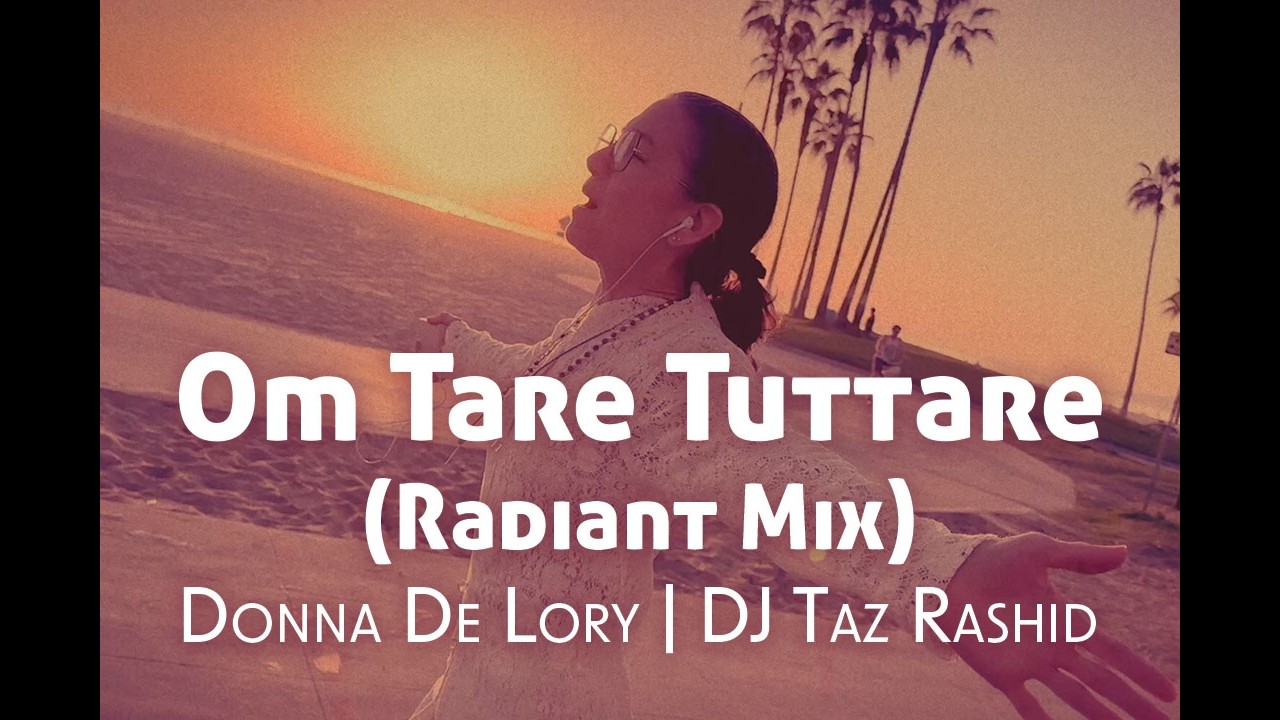
Om Tare Tuttare Mantra: DJ Taz Rashid's Radiant Remix
Inspire

Om Tare Tuttare Mantra: DJ Taz Rashid's Radiant Remix

DJ Taz Rashid remixes the sacred "Om Tare Tuttare" mantra into a contemporary groove that centers spiritual practice within everyday urban l…

1 min read
Om Namah Shivaya & Thy Will Be Done: Sacred Mantra Meditation
Inspire

Om Namah Shivaya & Thy Will Be Done: Sacred Mantra Meditation

A meditation mix blending the Sanskrit mantra Om Namah Shivaya with the Christian invocation Thy Will Be Done, featuring kirtan artist Donna…

1 min read
Chanting Together: The Sacred Practice of Kirtan
Inspire

Chanting Together: The Sacred Practice of Kirtan

A Thursday night satsang showcases the transformative power of collective chanting, weaving Sanskrit invocations with musical ensemble and d…

1 min read
Deva Premal & Miten Australia Tour 2026: Singing Our Prayers
Inspire

Deva Premal & Miten Australia Tour 2026: Singing Our Prayers

Deva Premal and Miten announce their return to Australia in October 2026 for three concerts and a Gayatri Gathering Retreat in Byron Shire.…

1 min read

Continue d’explorer

Poursuis ton chemin

Plus de sagesse et de rassemblements dans tout l’annuaire BrightStar.

Plus d’articles

Parcours toute la bibliothèque d’enseignements, d’entretiens et de guides.

Retour à tous les articles →

Enseignants et artistes

Découvre les lignées, les musiciens et les guides du monde conscient.

Explorer les artistes →

Trouver un événement

Kirtan, retraites, bains sonores, breathwork, festivals — bientôt près de chez toi.

Parcourir les événements →