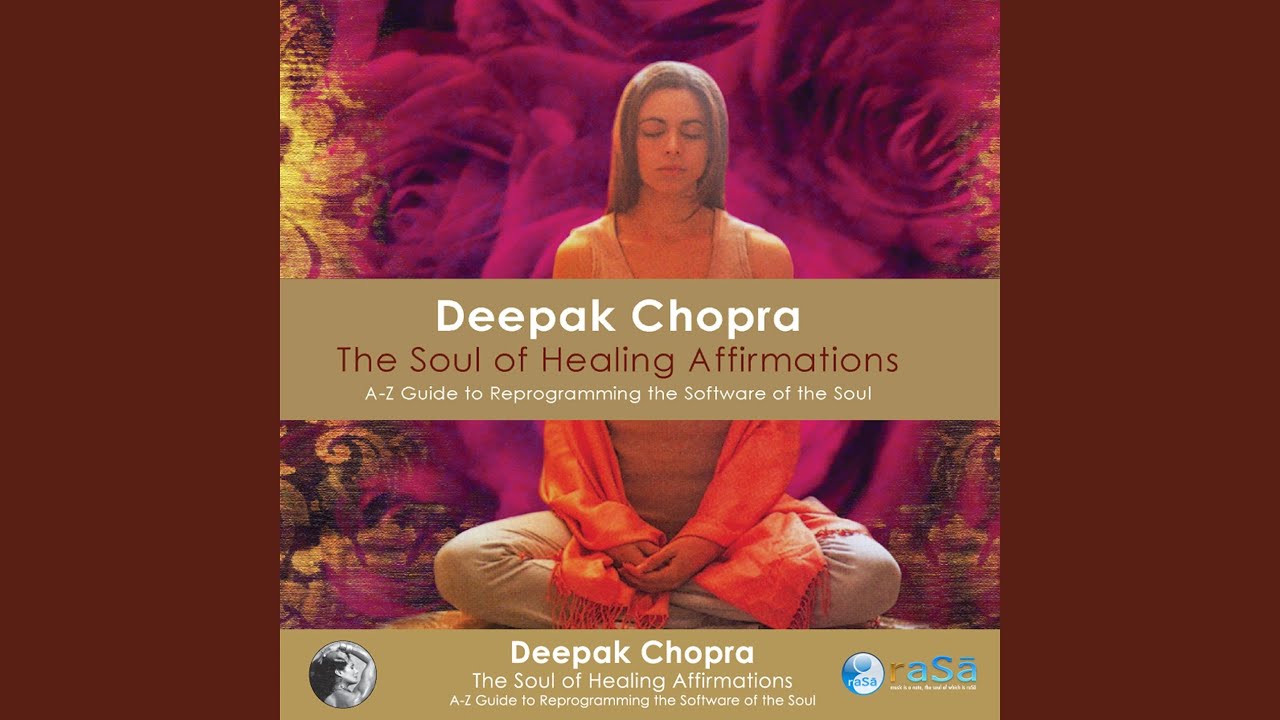
Deepak Chopra examines intimacy not as physical closeness alone, but as a state of presence and conscious awareness that allows two people to truly see and be seen by each other. Through the lens of meditation and contemplative practice, the session reveals how intimacy arises when we release defenses, cultivate vulnerability, and access the deeper dimensions of consciousness where authentic connection becomes possible.
What Is True Intimacy Beyond the Physical?
Intimacy in popular culture often conflates with sexuality or romantic involvement, yet Deepak Chopra's exploration suggests intimacy operates at a much deeper level. True intimacy is the capacity to be fully present with another person—to drop the masks, personas, and protective layers that normally shield the self. It is a state of consciousness where two individuals exist in genuine encounter, unmediated by fear, judgment, or the need to control outcomes.
This intimacy cannot be manufactured through technique or willpower. Instead, it emerges naturally when conditions of safety, presence, and self-awareness create the ground for authentic exchange. Chopra's meditation-based approach suggests that intimacy is fundamentally a practice of witnessing—seeing the other person as they truly are, and allowing oneself to be seen in return.
How Does Meditation Create the Conditions for Intimacy?
Meditation serves as a practical tool for developing the internal stillness and awareness necessary for intimacy. When the mind quiets through regular practice, the constant commentary, judgment, and defensive reactivity that normally govern relationships begin to dissolve. This creates space for genuine presence.
Through meditation, practitioners learn to observe their own thoughts and emotions without immediately identifying with them. This distance—this witness consciousness—becomes the foundation for real intimacy with others. When you can observe your own fear or insecurity without being consumed by it, you become capable of remaining present even when vulnerability arises in relationship. You can hold both your own inner landscape and the other person's experience simultaneously.
The meditative practices Chopra offers are designed specifically to train the nervous system toward relaxation and openness, moving away from the defensive postures that intimacy requires us to release. As the body and mind settle into coherence, the natural tendency toward connection and compassion emerges.
What Role Does Vulnerability Play in Intimate Connection?
Vulnerability is often misunderstood as weakness. In Chopra's framework, vulnerability is actually the gateway to genuine intimacy. To be truly intimate with another person, you must be willing to let them affect you, to influence you, to matter to you in ways you cannot fully control. This requires relinquishing the armor that protects the ego from disappointment, rejection, or loss.
Most people approach relationships with subtle defensive strategies: maintaining emotional distance, controlling outcomes, withholding parts of themselves, or performing a carefully curated version of identity. These protective mechanisms feel safer in the short term but fundamentally prevent intimacy because they prevent being truly known.
When meditation practice has established enough internal safety and self-awareness, the willingness to be vulnerable becomes possible. You can afford to lower your defenses because you are no longer identified solely with the ego's survival concerns. You have access to a deeper sense of self—a witnessing consciousness—that remains stable even when the personality is exposed or affected by another person.
How Does Awareness Shift the Quality of Romantic Love?
Romantic love exists on a spectrum. At one end is the projection-based love that confuses another person with your fantasy of them—the idealization that makes someone a mirror for your own desires and needs. This form of love is inherently unstable because it is based on illusion rather than reality.
As awareness deepens through meditation, the capacity for seeing your partner as they actually are—flaws, limitations, and all—becomes possible. This may sound less romantic, but it is far more intimate. When you can appreciate someone's actual humanity, including their struggles and imperfections, a deeper love becomes available. This is love based on reality rather than projection, grounded in acceptance rather than idealization.
Additionally, increased awareness reveals the ways your partner triggers your own unresolved patterns, wounds, and defenses. Rather than blaming them for this activation, awareness allows you to take responsibility for your own inner work. This transforms conflict into an opportunity for growth and deepens the quality of connection because both partners are more honest about their own participation in relationship dynamics.
What Is the Connection Between Self-Love and Intimate Love?
Chopra's meditation-based approach emphasizes that the quality of love you can experience with another person is directly proportional to the quality of relationship you have with yourself. If you are at war with yourself, constantly judging your own experience, pushing away your own emotions, or performing for an internalized critical voice, you will recreate these patterns in intimate relationship.
Through meditation, you develop the ability to witness your own experience—your thoughts, feelings, sensations, and impulses—without judgment. This is the foundation of self-love: the capacity to be present with yourself as you actually are. This presence then naturally extends to others. You become capable of witnessing your partner with the same non-judgmental awareness you have cultivated toward yourself.
Additionally, meditation practice often reveals that at the deepest level, the distinction between self and other is permeable. The consciousness experiencing you is the same consciousness experiencing your partner. This doesn't erase individual differences, but it does shift the experiential sense of separation that normally makes intimacy feel like bridging a gap between two isolated units. When you taste this unity consciousness in meditation, relationships become expressions of connection that already exists at a fundamental level.
Why Is Presence More Important Than Performance in Intimacy?
Modern relationships often become performances—each person managing their image, controlling their narrative, trying to be what they think the other person wants. This performance takes enormous energy and creates ongoing tension because there is always a gap between who you are pretending to be and who you actually are.
Presence dissolves this exhausting performance. When you are truly present with another person, you are simply here, not trying to be someone else or secure a particular outcome. This kind of presence is magnetic and deeply satisfying because it requires nothing of the other person except to meet you where you are.
The meditation practices Chopra offers are specifically designed to anchor attention in the present moment—the only place where genuine exchange is actually possible. When you are lost in thought about the past or future, when you are caught in narratives about yourself or your partner, you are not truly present. Each moment of presence you can bring to intimacy—whether in conversation, physical touch, or simply sitting together—deepens the connection.
How Can Couples Use These Meditations for Deepening Connection?
The meditations offered in Chopra's collection are designed both for individual practice and for couples. When practiced together, meditation can become a shared anchor point, a regular practice of being present with one another without agenda or performance.
Couples can use these practices in several ways: as a morning or evening ritual that settles both nervous systems into harmony before engaging in the demands of the day; as a reset during conflict when both partners need to return to center and access compassion; or as a deliberate practice of witnessing each other, where the meditation itself becomes the context for deeper seeing and being seen.
The key is consistency and genuine commitment to the practice. Intimacy does not deepen through occasional effort. Like any skill or capacity, it develops through regular cultivation. When meditation becomes a steady discipline, the subtle shifts in awareness, presence, and capacity for vulnerability begin to accumulate, and the quality of intimate connection naturally evolves.
Where to Go From Here
Deepak Chopra's meditations on intimacy offer a practical entry point into understanding connection as fundamentally a practice of consciousness rather than a matter of technique or strategy. If you are interested in deepening intimacy in your relationships, begin with consistent meditation practice—even 10-15 minutes daily can shift your capacity for presence and awareness. Notice how your defensive patterns show up in relationship, and practice observing them without judgment. Consider exploring couple's meditation as a shared practice with your partner. Finally, extend to your intimate relationships the same quality of non-judgmental witnessing you develop toward yourself in meditation. Intimacy, from this perspective, is not something you find—it is something you cultivate through the steady development of presence and awareness.