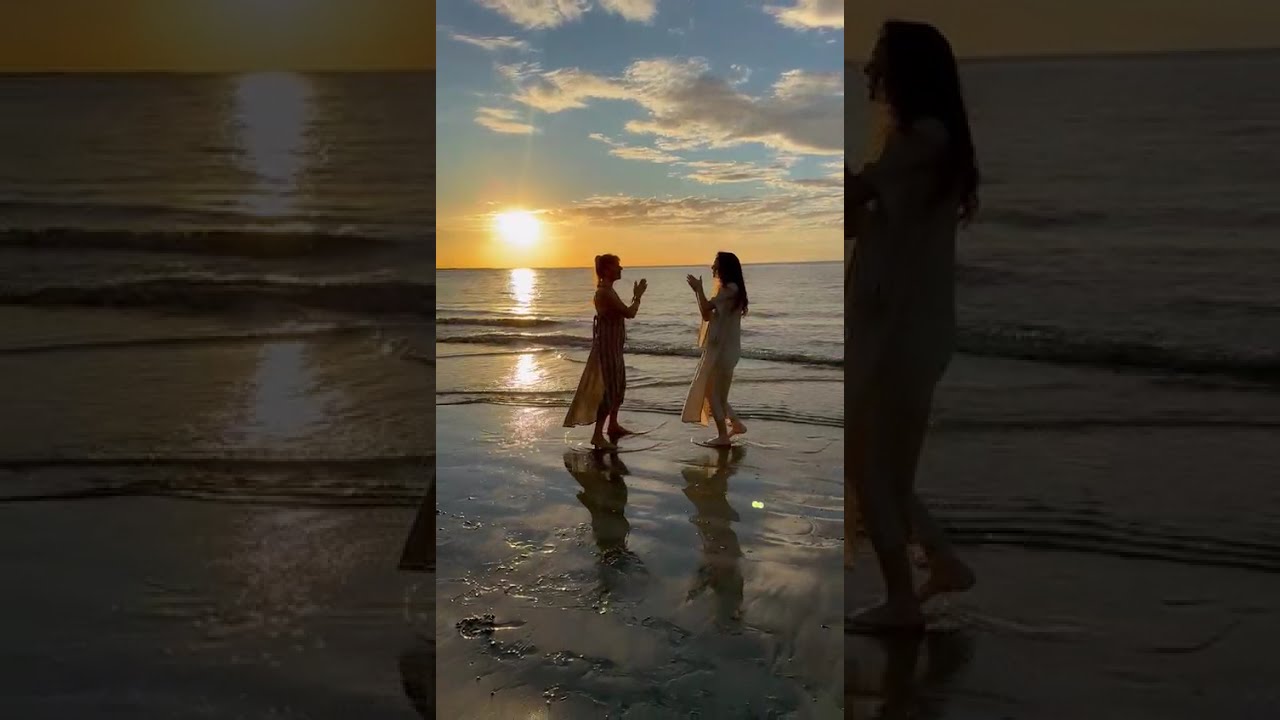
"Dance of the Moon" is a kirtan composition by Ajeet from the album Lunar, released in 2020. The piece uses call-and-response chanting and rhythmic patterns to invoke the energy and symbolism of the moon as a spiritual anchor. Kirtan—the practice of ecstatic chanting and call-and-response singing—serves as a non-sectarian gateway to meditation, devotional states, and communal spiritual experience. This 4-minute piece demonstrates how sacred sound and lunar imagery can synchronize breath, body, and consciousness toward inner calm and awakening.
What Is Kirtan and Why Does It Use the Moon as a Theme?
Kirtan is a form of participatory, repetitive chanting rooted in bhakti (devotional) traditions of South Asia, though it has been adapted and shared globally as a non-religious contemplative practice. In kirtan, a lead singer or musician calls out a mantra or sacred phrase, and the community responds—creating a feedback loop of sound that engages the whole body and nervous system.
The moon, across spiritual traditions, symbolizes the mind, intuition, the feminine principle, the night sky journey, and cyclical renewal. In Vedic astrology and tantra, the moon governs the emotional body and the tides of consciousness. By centering a kirtan on "the dance of the moon," Ajeet invites practitioners to attune to these lunar qualities: softness, receptivity, the natural rhythm of waxing and waning, and the pull of gravity on both oceans and inner waters.
How Does Rhythmic Chanting Affect the Nervous System?
When practitioners engage in call-and-response chanting, the repetition of sound, breath, and syllable creates measurable changes in heart rate variability, parasympathetic activation, and brainwave states. The rhythmic pattern of kirtan—especially when accompanied by percussion, hand claps, and body sway—synchronizes group breathing and creates a coherent field of acoustic resonance.
The sustained vowel tones and consonant sounds in Sanskrit-based mantras stimulate the vagus nerve, which signals safety and calming to the central nervous system. The repetition also creates a "groove" or entrainment effect: the body's rhythm aligns with the music, the breath finds a natural pace, and the thinking mind gradually yields to the felt experience of singing together. This is not passive meditation; it is active, embodied participation in healing sound.
What Role Does the Album Title "Lunar" Play in the Context?
Ajeet's album Lunar situates "Dance of the Moon" within a larger sonic and spiritual project. The album appears to be organized around the moon as a unifying symbol and energetic anchor. Across kirtan traditions, albums and song cycles often center on a single divine attribute, archetype, or natural element—honoring it through multiple musical interpretations and emotional textures.
By dedicating an entire album to lunar themes, Ajeet and co-creators Siobhán Moore (producer and engineer), Ram Dass Khalsa, and Karan Khalsa (both A&R administrators) emphasize that spiritual practice is not a one-time event but a cyclical, deepening engagement. Just as the moon waxes and wanes, practitioners return again and again to the chant, each time meeting it fresh, finding new layers of meaning and inner shift.
What Is the Role of the Producer and Creative Team in Kirtan Recording?
The credits for "Dance of the Moon" include Siobhán Moore as both producer and engineer, alongside A&R administrators Ram Dass Khalsa and Karan Khalsa, and A&R coordinator Gabylu Tukari. This indicates a professional, intentional approach to recording and distributing the kirtan.
In the modern kirtan movement, production quality matters because it affects accessibility and reach. High-fidelity recordings allow seekers from all corners of the world to access the chant in their homes, in their cars, or in group settings. The engineer's role is to capture the resonance of voices, instruments, and the subtle harmonics that make kirtan transmission effective. The A&R team ensures that the work honors both the tradition and the contemporary context, maintaining authenticity while making the practice available through streaming platforms and music distribution networks like The Orchard Enterprises.
How Can Listeners Use "Dance of the Moon" in Their Own Practice?
Kirtan is designed for both solitary and group engagement. Individual listeners might play "Dance of the Moon" during morning or evening meditation, using the 4-minute duration as an anchor for a short contemplative session. The rhythm and repetition can settle a wandering mind, ground scattered energy, and attune the listener to lunar or intuitive qualities—especially useful in the evening or during times of emotional intensity.
In group settings—whether formal meditation circles, yoga classes, or informal home gatherings—the recording can serve as a template for live call-and-response practice. Many kirtan facilitators use recorded versions as teaching tools, playing them once through to familiarize participants with the melody and words, then inviting the group to sing together.
The practice is open to all, regardless of religious background or singing ability. Kirtan is not performance; it is participation. The "voice" that matters is not the individual ego-voice but the shared, collective voice arising from breath and intention. Listeners who may not feel comfortable chanting aloud can simply listen, synchronize their breathing with the rhythm, and allow the sound waves to work on their nervous system and subtle body.
Where to Go From Here
To deepen engagement with kirtan and lunar-centered practice, consider exploring other recordings from the Lunar album to understand the full arc of the project. Seek out live kirtan events in your community or online, where the participatory element comes alive. If you are interested in the history and philosophy of kirtan, research the bhakti traditions of medieval India and the role of mantra and sacred sound in yoga and Ayurveda. For those drawn to lunar spirituality, study the correspondences between the moon and the mind in Vedic astrology and Tantric cosmology. Finally, establish a regular listening or chanting practice with this recording—returning to it cyclically, as the moon itself returns, noticing how your inner landscape shifts with repetition and time.