EveryEvent Madrid

Browse All Events

Find every event in Madrid

events

Concerts & Live Music
Festivals
Sports & Recreation
Food & Drink
Arts & Culture
Community
Family & Kids
Nightlife
Comedy
Theater
Popular Destinations
BaliSedonaLos AngelesCosta RicaNew YorkSan FranciscoAustinMiamiJoshua TreeTulum
View All CategoriesView All Destinations

Explore All Features

Powerful tools to grow your events

Platform Features

Smart Dynamic Pricing
Ticket Categories
Assigned Seating
Abandoned Cart Recovery
Visitor Recovery
Donations & Sliding Scale
Affiliate Engine
Ticket Scanner
Coupon Codes
Custom Questions
Ticket Sharing
Upsells & Add-ons
Analytics & Reporting
Email Sequences
Waitlist / Notify / Remind
Explore
Discovery HubArtists & PerformersVenuesKnowledge Base
View All FeaturesAbout Us
PricingBlog
Language
Saved events
Browse All Events

events

Concerts & Live MusicFestivalsSports & RecreationFood & DrinkArts & CultureCommunityFamily & KidsNightlife

Popular Destinations

BaliSedonaLos AngelesCosta RicaNew YorkSan Francisco

Explore

Discovery HubArtists & PerformersVenuesKnowledge Base

Platform Features

Smart Dynamic PricingTicket CategoriesAssigned SeatingAbandoned Cart RecoveryVisitor RecoveryDonations & Sliding ScaleAffiliate EngineTicket ScannerCoupon CodesCustom QuestionsTicket SharingUpsells & Add-onsAnalytics & ReportingEmail SequencesWaitlist / Notify / Remind
View All FeaturesAbout Us
PricingBlog
Log inSign UpEvent Organizers
  • Browse All Events
  • Concerts & Live Music
  • Festivals
  • Sports & Recreation
  • Food & Drink
  • Arts & Culture
  • Community
  • Family & Kids
  • Nightlife
  • All Categories →
  • All Destinations →
  • For Promoters
  • For Artists
  • For Venues
  • For Festivals
  • For Event Spaces
  • For Nonprofits
  • For Bloggers
  • For Speakers
  • Brand Ambassador
  • Case Studies
  • 350K+ Buyer Network
  • Abandoned Cart Recovery
  • Smart Dynamic Pricing
  • Ticket Categories
  • Recurring Events
  • Assigned Seating
  • Affiliate Engine
  • Waitlist / Notify
  • Ticket Scanner
  • Embed Widget
  • Event Syndication
  • Message Center
  • Integrations
  • Reports
  • All Features →
  • About
  • The Ecosystem
  • Blog
  • Glossary
  • Inspiration
  • Help Center
  • Contact
  • API Docs
  • Brand Assets
  • Careers
  • Press
  • Terms of Service
  • Privacy Policy

Events

  • Browse All Events
  • Concerts & Live Music
  • Festivals
  • Sports & Recreation
  • Food & Drink
  • Arts & Culture
  • Community
  • Family & Kids
  • Nightlife
  • All Categories →

Getaways

  • All Destinations →

For Organizers

  • For Promoters
  • For Artists
  • For Venues
  • For Festivals
  • For Event Spaces
  • For Nonprofits
  • For Bloggers
  • For Speakers
  • Brand Ambassador
  • Case Studies

Features

  • 350K+ Buyer Network
  • Abandoned Cart Recovery
  • Smart Dynamic Pricing
  • Ticket Categories
  • Recurring Events
  • Assigned Seating
  • Affiliate Engine
  • Waitlist / Notify
  • Ticket Scanner
  • Embed Widget
  • Event Syndication
  • Message Center
  • Integrations
  • Reports
  • All Features →

Company

  • About
  • The Ecosystem
  • Blog
  • Glossary
  • Inspiration
  • Help Center
  • Contact
  • API Docs
  • Brand Assets
  • Careers
  • Press
  • Terms of Service
  • Privacy Policy
EveryEvent
© 2026 EveryEvent Madrid. All rights reserved.
Inspiration

Freedom as Divine Voice: Music,Liberation, and Spiritual Harmony

Mose
Mose
Feb 23, 2021
7 min read
Watch · 5

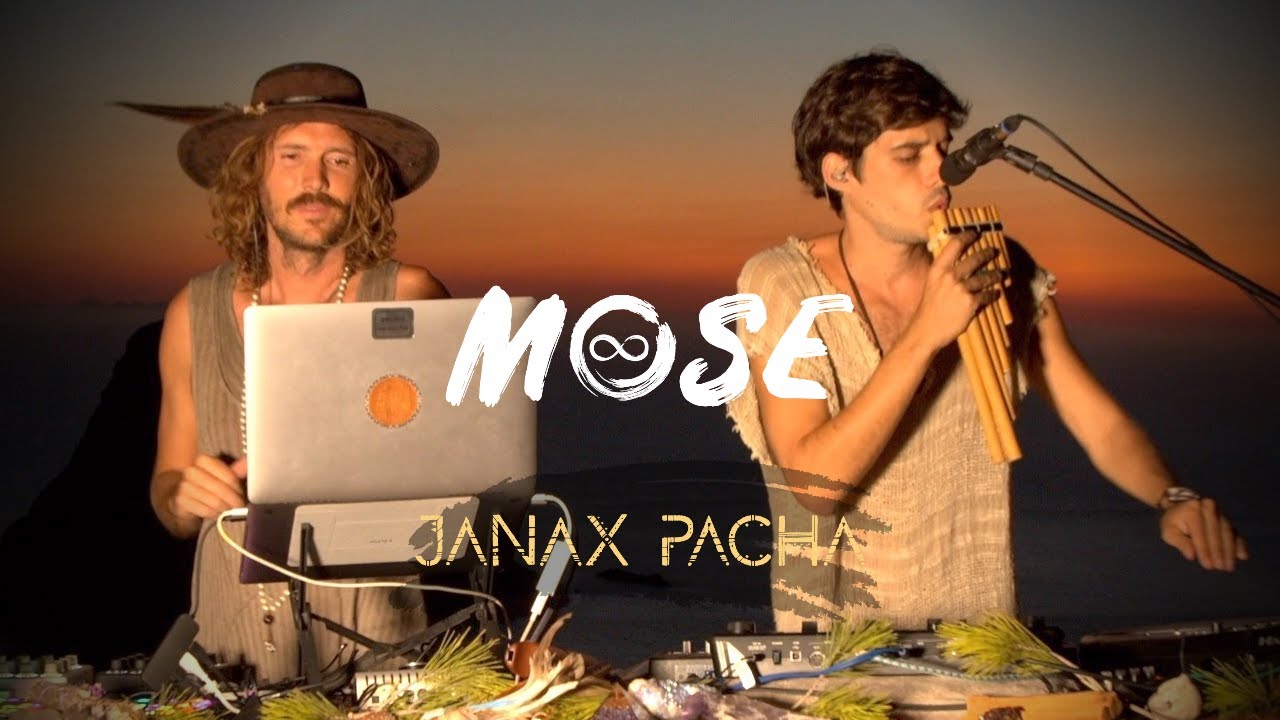
Mose and Matia Kalli present a devotional kirtan centered on freedom not as abstract concept but as a living voice—an "endless sky singing for peace." The song layers ocean and water metaphors with direct address to divine spirit, positioning freedom as inseparable from collective harmony, inner light, and the recognition that all beings are vessels of grace. The piece moves beyond individual liberation to invoke shared peace and the understanding that "behind all the rhythms are one and the same vibration."

Read · 8 sections

How Does Freedom Become a Tangible Experience in Devotional Music?

In this kirtan, freedom is not theorized but invoked—sung into presence. Mose and Matia Kalli give freedom a voice, literally. The lyrics assert: "Freedom has a voice" and "Freedom is an endless sky singing for peace." This framing rejects the notion that freedom is something to think about; instead, it is something to feel through sound, breath, and collective vocalization. By repeating the word "freedom" across the piece, the artists embed the concept into the listener's nervous system, making the aspiration palpable rather than intellectual.

The song opens with ocean imagery—"As vast as the ocean of my dreams, spirit of the waters carry me." Water serves as a metaphor for both vastness and fluidity. Dreams, oceans, and spirit become synonymous with the space in which freedom moves. This is not freedom from external constraint alone, but freedom as a quality of consciousness itself: boundless, flowing, responsive.

What Role Does the Divine Spirit Play in Collective Liberation?

The kirtan directly addresses a "Spirit Divine" and "spirit of the waters" as agent and witness. The lyrics request: "Giving us strength to live in harmony and peace." Notice the shift from singular to plural—"us," not "me" alone. Freedom here is not privatized achievement but collective gift. The divine spirit's role is to grant strength not for individual triumph but for shared existence in peace and harmony.

This reflects a core teaching in devotional traditions: liberation (moksha) and harmony are not separate aims. The artist is asking for strength to hold peace even amid difficulty, to sing even when circumstances press. The "spirit of the waters" becomes a maternal or elemental force—ancient, nourishing, indifferent to human fear—that carries the seeker and sets them free by revealing that separation itself is illusion.

How Does the Song Connect Individual Identity to Universal Presence?

The second half of the kirtan shifts inward, addressing the listener directly: "You are the light. You are the ocean calling. Spirit Divine." The pronoun "you" collapses the boundary between singer and listener, between addressed and addresser. Each person in the space is recognized as light, ocean, divine spirit. This is not flattery but ontological claim—pointing to what is already true beneath the surface of ego.

The lyrics then enumerate sacred identities: "A vessel of the divine. A gift of sweet life. A star on the rise. A song bird in the sky." Each image holds a different texture. "Vessel" suggests capacity and emptiness; "gift" implies grace received; "star" invokes permanence and light; "songbird" brings movement and voice. Together they form a portrait of human dignity not based on achievement but on inherent nature. The listener is not told to become these things but recognized as already being them.

What Is Meant by "Behind All the Rhythms Are One and the Same Vibration"?

This line points toward a non-dualistic understanding: beneath surface differences in form, melody, and rhythm lies a single underlying frequency or consciousness. In musical terms, it echoes the principle that all sounds emerge from silence and return to it. In spiritual terms, it suggests that apparent multiplicity—many beings, many lives, many struggles for freedom—is expression of one unified awareness.

This teaching has roots in Advaita Vedanta and similar non-dual traditions. If there is only one vibration, then the freedom of "you" is inseparable from the freedom of "us." Conflict and suffering arise from the illusion of separation. The kirtan uses rhythm itself—the repeated cycles of breath, syllable, and beat—to embody this teaching. The repetition is not monotonous but deepening, like waves returning to the same shore.

Why Center the Song on Peace Rather Than Individual Victory?

The refrain repeatedly asks for peace: "Love sings a song for peace." "Freedom is an endless sky singing for peace." The grammar is crucial—not "singing to achieve peace" but "singing for peace," as if peace is the purpose toward which freedom naturally moves. This inverts a common Western association of freedom with dominance or the ability to impose one's will.

In this framework, freedom fulfilled is freedom in service of collective wellbeing. This aligns with the bodhisattva path in Buddhism and the concept of *svadharma* in Hinduism—one's own freedom deepens as one acts in harmony with the whole. The kirtan does not deny individual aspiration but contextualizes it within larger circles of relation: family, community, all beings, the earth itself.

How Does Ocean and Water Imagery Deepen the Song's Message?

Water appears three times: "as vast as the ocean," "spirit of the waters carry me," "spirit of the waters set me free." Water is chosen because it embodies multiple spiritual truths simultaneously. Water is vast yet responsive, solid yet flowing, nourishing yet potentially overwhelming, transparent yet reflective. It does not ask permission to move or justify its existence; it simply obeys gravity and finds its level.

In many traditions, water symbolizes the formless divine—the substrate from which all life emerges. To be carried by water is to relinquish the illusion of control and trust in natural intelligence. To be set free by water suggests that constraint dissolves not through force but through surrender, like ice becoming water through warmth. The ocean in particular is vast beyond comprehension; to place one's dreams within an ocean is to acknowledge their limitlessness.

What Is "The Brilliance of Being Free"?

This closing phrase suggests that freedom has a quality of radiance or luminosity. It is not drab or neutral but brilliant—shining. This echoes the earlier assertion "You are the light." Freedom, when realized, is not grim or austere but luminous with joy. This is freedom not as escape from suffering but as the positive realization of one's true nature. The brilliance suggests both clarity and beauty—seeing clearly and living beautifully are expressions of the same liberation.

Mose and Matia Kalli invite listeners into this experience not through argument but through sustained sonic invocation. The repetition of "freedom" and the return to ocean metaphors create a meditative field in which the listener's own conceptions of freedom can dissolve and reform. The kirtan asks: what if freedom is not something to achieve but something to remember? What if it is already singing inside you?

Where to go from here

To deepen this exploration, listen to the full recording with attention to how the melody and Matia Kalli's voice move through the lyrics—what emotions arise? Consider keeping a journal around your own relationship to freedom: what does freedom mean to you? Where in your body do you feel it? Explore other devotional traditions' takes on liberation (moksha in Hindu philosophy, nirvana in Buddhism, fana in Sufism) to see how the ocean metaphor and collective orientation show up across cultures. If you have access to kirtan practice, attend a session and notice how group vocalization shifts your sense of self and separation. Finally, reflect on the line "behind all the rhythms are one and the same vibration"—what rhythms in your life (breath, heartbeat, daily routines, seasons) might point toward a unified ground beneath all difference?

Transcript

[0:11] [Music]

[0:15] bye

[0:16] [Music]

[0:33] [Music]

[0:43] ah

[0:44] [Music]

[0:57] oh

[1:01] [Music]

[1:11] uh

[1:14] freedom has

[1:30] [Music]

[1:35] freedom has

[1:41] [Music]

[1:51] as fast as the

[1:54] [Music]

[2:06] [Music]

[2:21] peace

[2:26] set me free

[2:40] freedom has

[2:50] [Music]

[3:01] freedom is

[3:04] [Music]

[3:08] [Applause]

[3:09] [Music]

[3:18] [Music]

[3:35] [Music]

[3:45] bye

[3:46] [Music]

[4:02] [Applause]

[4:09] [Music]

[4:13] food

[4:15] [Music]

[4:38] [Music]

[4:52] [Music]

[5:00] freedom

[5:04] [Music]

[5:09] freedom

[5:12] [Music]

[5:23] freedom

[5:24] [Music]

[5:27] we are

[5:40] [Music]

[5:51] hmm

[5:53] [Music]

[6:05] yes

[6:19] is

[6:22] oh now

[6:44] [Music]

[7:01] hmm

[7:06] [Music]

[7:15] oh

[7:21] of us

[7:33] [Music]

[7:41] of us

[7:49] [Music]

[8:01] [Music]

[8:48] you

Mose
AuthorMose

Mississippi-born pianist and singer who blended jazz and blues with witty storytelling, influencing generations of rock and R&B artists from Jimi Hendrix to The Rolling Stones.

View profileWebsite
Explore Topics
KirtanFreedom-liberationDevotional-musicDivine-spiritCollective-peace

Got Questions?

Frequently Asked Questions

Kirtan is call-and-response devotional singing rooted in Hindu and Sikh traditions. Unlike solo performance or passive meditation, kirtan invites collective participation and uses repetition of sacred names and concepts to shift consciousness. The communal aspect is central—the resonance of many voices creates a shared field that deepens individual experience.
Sound bypasses the analytical mind and works directly through the nervous system and body. Repeated vocalization of a word like 'freedom' embeds it as lived experience rather than intellectual idea. The rhythm, tone, and group participation create a field in which the listener's understanding can deepen beyond what words alone convey.
This points to non-dualistic philosophy—the idea that beneath apparent multiplicity and difference lies a single unified consciousness or frequency. All rhythms, beings, and expressions emerge from and return to this one source. It teaches that separation is illusion and true freedom comes from recognizing fundamental unity.
Water embodies key spiritual principles: it is boundless, responsive, nourishing, and formless. It flows without resistance and finds its level without effort. In spiritual traditions, water symbolizes the formless divine and the fluidity of consciousness itself, making it a powerful metaphor for how liberation feels—flowing rather than fixed, receptive rather than controlling.
Collective freedom shifts emphasis from personal conquest or independence to living in harmony with others. It suggests that true freedom is freedom in right relationship—with other beings, the earth, and the divine. This aligns with many wisdom traditions that see liberation as inseparable from compassion and service.
This phrase points to the idea that each person is not separate from the divine but a channel or container for it. A vessel is empty until filled; calling humans vessels suggests that freedom comes through releasing the ego's claims and allowing divine grace to move through us. This teaching appears across contemplative traditions.
In many non-dual traditions, consciousness itself is understood as fundamental and luminous—the ground of being. When the kirtan tells you 'you are the light,' it is pointing to your essential nature as awareness itself, not merely the physical body or ego. This is not praise but recognition of what is already true beneath layers of conditioning.
Repetitive vocalization anchors an intention in the body and nervous system, creating coherence between mind and soma. Over time, the vibration and meaning of the word 'freedom' become less abstract and more felt. This is why mantras and kirtan work—they train consciousness through sustained, embodied attention.

Continue Reading

More from Mose

View All
Cacao Ceremony & Dance Meditation at Lago de Chapala
Featured

Cacao Ceremony & Dance Meditation at Lago de Chapala

Mose and Sam Garrett lead a live cacao-guided ceremony blending sacred music, movement, and Tonantzin celebration on Mexico's largest lake.…

1 min read
Improvised Live Electronic Music: Channeling Energy Through Sound
Featured

Improvised Live Electronic Music: Channeling Energy Through Sound

A live electronic performance filmed at Es Vedra during the full moon equinox explores how musicians improvise together in real-time, lettin…

1 min read
How Sitting Still Proves You're Already Awakening
Featured

How Sitting Still Proves You're Already Awakening

Most people can't sit quietly without discomfort, but if you can, you're already further along spiritually than you realize. Eckhart Tolle e…

1 min read
The Missing Piece: How Real Thinking Creates Real Results
Featured

The Missing Piece: How Real Thinking Creates Real Results

Most vision boards fail because people skip the actual thinking. Eckhart Tolle reveals the rhythm that unlocks insight and the two distinct …

1 min read

Keep exploring

Continue your journey

More wisdom and gatherings from across the BrightStar directory.

More Articles

Browse the full library of teachings, interviews, and guides.

Back to all articles →

Teachers & Artists

Explore the lineages, musicians, and guides of the conscious world.

Explore artists →

Find an Event

Kirtan, retreats, sound baths, breathwork, festivals — happening soon.

Browse events →