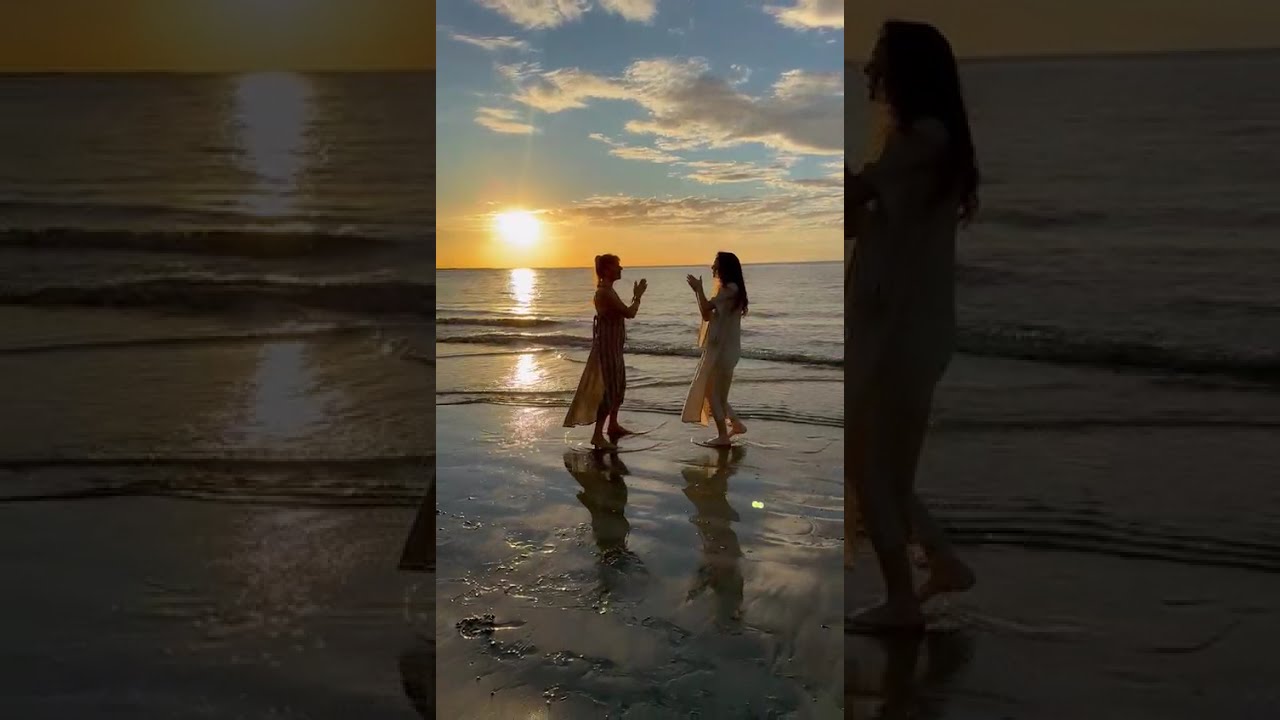
Once you become aware and move beyond ego-driven consciousness, your relationship to planning and future action fundamentally shifts. Rather than forcing plans through personal will, you may either discover spontaneous creative activity emerging organically, or you experience something wanting to be created through you—a subtle but crucial distinction from ego-planning. When action arises from presence, it carries an intense but joyful quality; when the ego reasserts control, stress becomes the signal that you've lost alignment with the universal creative power flowing through you.
Do You Need a Plan After Becoming Aware?
The question of whether to plan or surrender is one many practitioners face after stepping into presence. Eckhart Tolle presents two legitimate pathways that consciousness takes, neither superior to the other. For some people, inspired activity simply emerges spontaneously. A musician, for example, may love playing their instrument so deeply that they find themselves performing on a street corner—not from a deliberate plan, but from genuine engagement with the doing itself. Someone hears them and invites them to a studio. Gradually, organically, the activity grows and develops without any prior intention. As Tolle explains, "It's just the consciousness takes over and they didn't plan it."
For others, something different occurs. An image or thought arises from a deeper layer of consciousness—not as a personal desire but as something that wants to be created. This is a critical distinction Tolle emphasizes: rather than "I want to create this," the experience is more like "this wants to be created through me." When this happens, you know with clarity what action is required. In this case, you do have a plan, but it emerges from an entirely different source than ego-based planning.
Why Ego Plans Are Fundamentally Flawed
The plans the ego generates are "deeply flawed," according to Tolle. This is because the ego always has a hidden agenda beneath its planning: self-enhancement and self-seeking. Even when an ego plan appears altruistic or productive on the surface, there is always hidden self-interest—a seeking of pleasure, security, status, or validation through the outcome. This hidden self-seeking contaminates the entire enterprise. "Whatever action you take in order to carry out the ego's plans," Tolle says, "it's also going to be deeply flawed and will bring about a lot of heartache and problems."
One reliable indicator that the ego is operating is struggle. When you find yourself straining, forcing, or grinding against resistance, the ego is involved. Struggle is not the same as intensity of effort. Rather, struggle indicates misalignment—a pushing against the grain of what wants to happen, a forcing of will.
What Wants to Be Created Through You?
When Tolle speaks of something wanting to be created through you, he is describing a collaboration with the unconditioned, creative power of consciousness itself. This isn't metaphorical. Look at the universe, he suggests. The cosmos displays an extraordinary love of multiplicity and form-creation—billions of life forms across planet Earth alone, infinite complexity throughout the cosmos. Consciousness, the underlying creative force, clearly enjoys the play of form. "The universe enjoys that consciousness enjoys the play of form and it can happen through you and it's deeply enjoyable."
The key difference in inspired plans is the absence of self-seeking. You are not looking to the creation for happiness, self-enhancement, fame, or wealth. Those things may come as byproducts—what Tolle, referencing Jesus, calls the "adding on." If you become a transparent channel for universal creative energy, things naturally return to you. "If you give out to the universe the universe gives back." But this return is incidental to the creation itself, not its motivation.
How Do You Distinguish Aligned Action from Ego Action?
Tolle offers a precise marker: stress. Whenever stress, anxiety, negativity, or struggle arises during action, the ego has reasserted control. You have lost alignment with the power within. This is not a judgment but a diagnostic signal. The moment complaint, attack, or tension enters your creative work, you know you've disconnected from the universal energy source.
This is different from intensity. Intense creative energy—the focused power that flows when you are deeply engaged in creation—is exhilarating and joyful. It can appear, from the outside, almost like stress, but the internal experience is radically different. Intensity flows; it moves; it is alive. Stress, by contrast, is blocked energy. It resists and contracts.
When you encounter obstacles—and you always do when creating something new—aligned action meets them differently than ego action. If you are aligned, the intensity of the creative impulse can sweep obstacles away or transform them into something useful. If the ego is in control, you attack, resist, and exhaust yourself. One approach is empowered; the other depletes.
How Does the Universe Support What Wants to Be Created?
When your creation is aligned with what the universe itself wants to express, it becomes "enormously empowered." Tolle invokes Shakespeare's line: "There is a tide in the affairs of men." If you catch the tide—the wave of something wanting to be created through you—you ride an enormous wave of support. "If your creation is aligned with what the universe wants then you it becomes enormously empowered."
This support does not mean the absence of obstacles. Rather, alongside obstacles, you encounter what Tolle calls "an influx of supportive energy." This may come as opportunities, helpers, synchronicities, or sudden shifts in circumstance. The resistance you face may come from people stuck in rigid mind patterns who resist anything new. But the universe also sends help—not necessarily immediately, but reliably.
However, the moment you become stressed or negative in response to obstacles, you lose this power. The moment you attack the resistance—whether directed at people or circumstances—you fall out of alignment. You become the ego again, and the tide recedes.
What Happens After Creation is Complete?
Tolle notes that creative waves have their own rhythm. Once a creation reaches its completion and the wave subsides, there may be a period of withdrawal before new creative impulses arise. This varies from person to person. Some experience constant creative flow; others have clear cycles of intense creation followed by rest and integration. Both patterns are natural and appropriate. The key is not to force a new creation during a natural rest period, and not to cling when a creation-wave naturally ends.
Where to Go from Here
The practical application of these teachings is to develop sensitivity to the difference between ego-driven plans and universe-driven creations. Notice when you feel strain versus flow. Pay attention to whether your actions carry an undercurrent of hidden self-seeking or a transparent, joyful engagement with the doing itself. When stress arises, pause and reconnect to presence before acting further. Begin to trust the spontaneous intelligence that emerges when you are fully present. And pay attention to what wants to be created through you, rather than what you think you want to create. The universe, Tolle suggests, has more creative power and wisdom than your ego ever will.