Listening Journey
Sound Journey
Discography
Explore
Discovery HubArtists & PerformersVenuesKnowledge BasePlatform Features
Smart Dynamic PricingTicket CategoriesAssigned SeatingAbandoned Cart RecoveryVisitor RecoveryDonations & Sliding ScaleAffiliate EngineTicket ScannerCoupon CodesCustom QuestionsTicket SharingUpsells & Add-onsAnalytics & ReportingEmail SequencesWaitlist / Notify / RemindView All FeaturesAbout Us
Poet · editor · translator · and storyteller
Robert Bly was an American poet, translator, editor, and storyteller whose influence extended from the Deep Image movement in poetry to the mythopoetic men's movement of the 1980s and 1990s. Born Robert Elwood Bly in 1926 in Madison, Minnesota, he died in 2021 after more than half a century of literary and cultural work that provoked as much debate as admiration. He is best known for his poetry collections that explored inward consciousness and the natural world, and for Iron John, the 1990 bestseller that framed conversations about masculinity and male psychology for a generation.
Bly's poetry emerged from the Deep Image movement, which sought to move American verse away from the confessional mode and toward myth, symbol, and the unconscious. His work drew on the traditions of Spanish and Scandinavian surrealism, which he encountered through his extensive translation projects. He translated the work of Pablo Neruda, Rainer Maria Rilke, Tomas Tranströmer, Antonio Machado, and Kabir, among others, introducing English-language readers to poets whose influence on his own style was unmistakable. Bly's verse was marked by leaps between image and emotion, a refusal of linear narrative, and an insistence on the spiritual and political dimensions of language.
His major poetry collections include Silence in the Snowy Fields (1962), The Light Around the Body (1967), which won the National Book Award for Poetry in 1968, Sleepers Joining Hands (1973), and The Night Abraham Called to the Stars (2001). The Light Around the Body addressed the Vietnam War and domestic injustice with a directness that made Bly a fixture of the anti-war poetry circuit. He famously donated his National Book Award prize money to the draft resistance movement. His early collection Silence in the Snowy Fields remains a touchstone of Midwestern American poetry, its quiet plainspoken images of farms and fields standing in contrast to the mythic, politically charged work that followed.
Bly studied at Harvard University and the University of Iowa Writers' Workshop before spending time in Norway on a Fulbright fellowship in the 1950s, where he immersed himself in Scandinavian literature and began his work as a translator. In 1958 he co-founded The Fifties, later renamed The Sixties and The Seventies, a literary journal that championed international poetry and criticized what Bly saw as the timidity and insularity of mainstream American verse. The journal published translations alongside original work and became a platform for Bly's critical essays on poetry, culture, and politics. He also founded The Seventies Press, which published translations and poetry collections outside the commercial mainstream.
Iron John, published in 1990, brought Bly to a mass audience far beyond poetry readers. The book spent more than a year on the New York Times bestseller list and became the cornerstone of what Bly called the mythopoetic men's movement, which held that modern men were disconnected from mythic archetypes and needed ritual, storytelling, and mentorship to reclaim emotional depth. Bly led workshops and gatherings where men drummed, recited poetry, and discussed Grimm's fairy tales. The movement attracted both fervent followers and sharp criticism, with feminist scholars and journalists questioning whether it romanticized patriarchy or provided a genuine path to male self-reflection. His ideas on masculinity were featured in Time, The New York Times Magazine, and PBS specials, making him one of the most visible cultural commentators of the early 1990s.
In his later years Bly continued to write, translate, and lead workshops on poetry and myth. He published new collections and anthologies, including My Sentence Was a Thousand Years of Joy (2005) and Talking into the Ear of a Donkey (2011). He remained active in the community of poets and translators, and his influence on younger writers persisted through his mentorship, his translations, and the example of a life lived entirely in service of language. For readers discovering Robert Bly today, his work offers an entry point into American poetry's engagement with the unconscious, the political urgency of mid-century verse, and the unresolved questions about masculinity and mythology that continue to animate contemporary culture.
Listening Journey
Discography
Lineage & Inspiration
The teachers, lineages, and practices that shape Robert Bly's path.

Swiss Psychiatrist
Foundational influence; Bly used Jungian archetypes, myths, and the collective unconscious throughout his work.

Mythologist
Bly first heard Campbell in 1975; The Hero With a Thousand Faces inspired his mythopoetic work.

15th-Century Indian Mystic
Bly translated Kabir's ecstatic poetry; first religious poet he deeply engaged with spiritually.

13th-Century Sufi Mystic
Bly translated Rumi extensively; described him as guiding light of American poetry for decades.
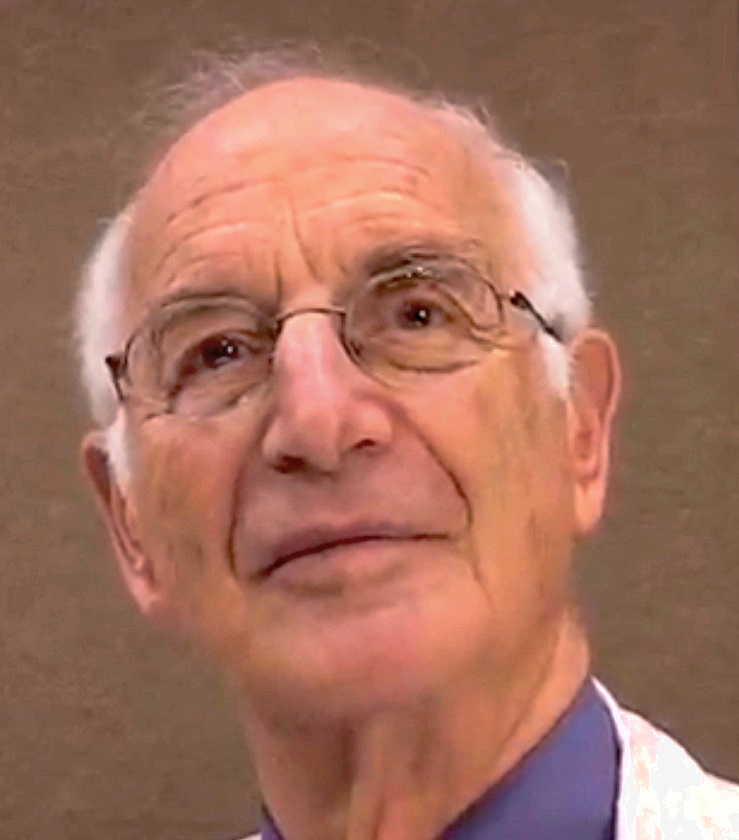
Jungian Psychologist
Co-leader and influence on the mythopoetic men's movement; archetypal psychology informed Bly's approach.

Philosophy
Core framework for Bly's mythopoetic work, exploring archetypes and the collective unconscious.

Practice
Central practice in Bly's conferences and retreats; used myths as psychological development tools.
Worth Knowing
Robert Bly (1926–2021) was an American poet, editor, translator, and cultural provocateur who shaped literary and social discourse across more than five decades. His influence spans three distinct but interwoven territories: as a rigorous literary editor and translator who championed poetry's place in American consciousness; as the author of Iron John, a bestseller that catalyzed mainstream conversation about masculinity and inner life; and as a voice in social commentary, willing to challenge cultural orthodoxy. What made Bly distinctive was his refusal to stay in a single lane—he moved fluidly between the academy, the counterculture, and popular discourse, always returning to poetry as the foundational text. His legacy is genuinely contested: admirers view him as a visionary who helped men articulate their emotional and spiritual interiority; critics argue his ideas about masculinity and gender have aged poorly or caused harm. Regardless of where readers land, Bly's work remains a touchstone for anyone interested in the intersections of poetry, cultural change, and the interior life.
Discover More
Continue your journey
BrightStar is the global directory of artists, teachers, and healers in the wellness and spiritual movement. Find your next experience — or add yourself.
Browse 24,000+ curated profiles across kirtan, yoga, meditation, and beyond.
Explore directory →Kirtan, retreats, sound baths, breathwork, ceremonies — happening this week.
Browse events →Are you an artist, teacher, or healer? Get listed — free, AI-assisted, live in minutes.
Get started →
